community
Buenos Aires Boasts Hundreds of Theaters, Vibrant Tango and Street Art
The city maintains hundreds of theater spaces, dozens of museums and long-standing tango traditions alongside prominent street art.
How we reported this
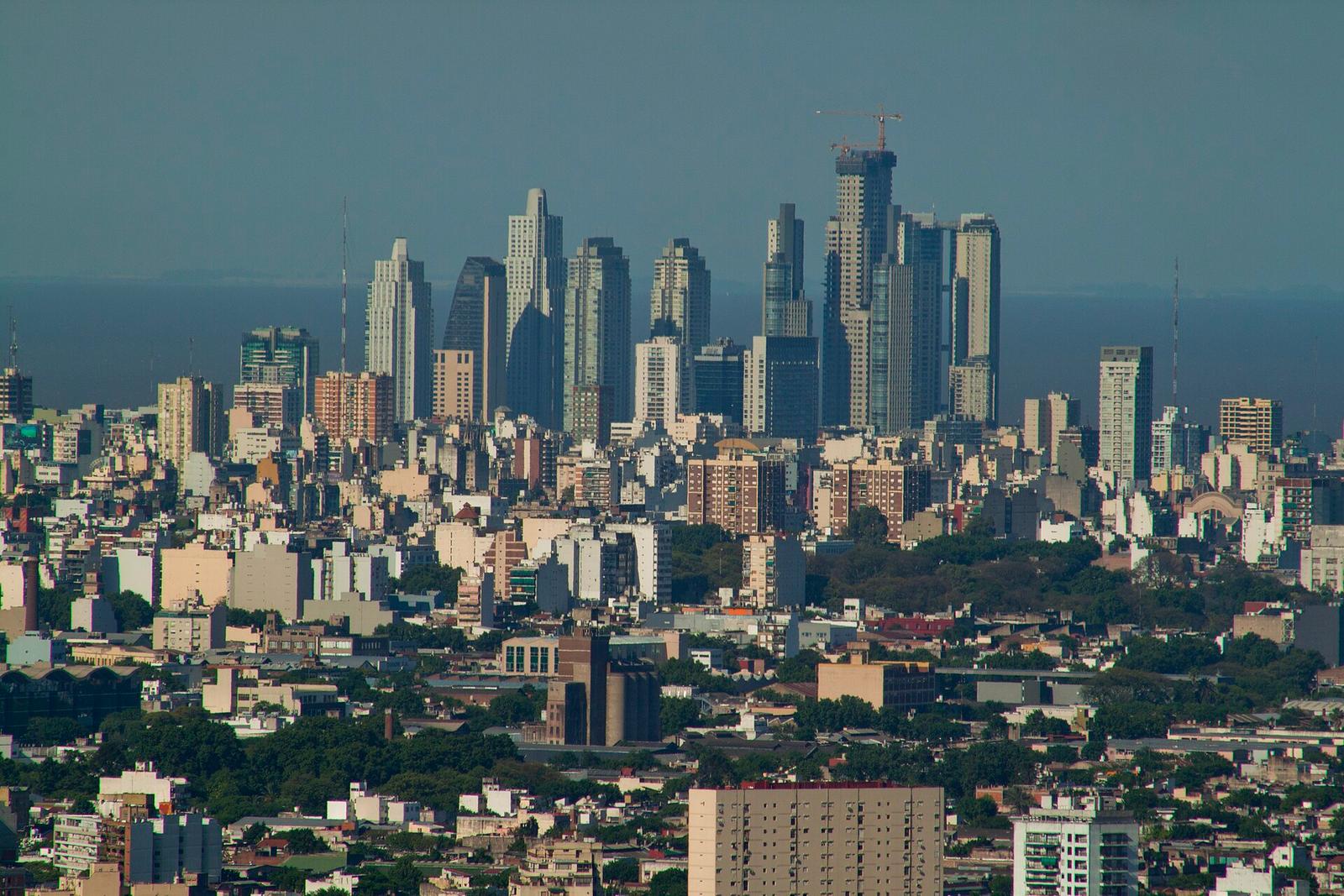
Buenos Aires has been declared the World's Capital of Theater, with over 300 active theater spaces. This designation sets the city apart from other major centers by the sheer number of venues operating at any time.
Theater Heartland on Avenida Corrientes
Avenida Corrientes serves as the city's theater heartland and is known as the street that never sleeps. Dozens of shows run night and day along this corridor, which also supports over 800 bookstores. Residents and visitors move between performances and reading spaces in the same blocks, creating a continuous flow of activity centered on live performance and literature.
Museums Across the City
The city hosts 160 museums. Among them are the Teatro Colón opera house, MALBA and the National Museum of Fine Arts. These institutions present permanent collections and rotating exhibitions that draw on Argentina's artistic output and international holdings, giving audiences multiple entry points into visual arts and performing arts history.
Tango Traditions and Venues
Buenos Aires is recognized as the cradle of tango. The scene includes over 50 historic bares notables and dedicated streets such as Calle Zelaya, where the dance and music genre continue to be performed. These spaces preserve the original social settings in which tango developed and remain active locations for both locals and travelers seeking authentic presentations.
Large-Scale Street Art
The city contains the world's largest street art mural, titled El Regreso de Quinquela. The work covers 2,000 square meters across three buildings in the Barracas neighborhood. Its scale makes it a visible landmark that integrates public art into the everyday urban environment.
These elements together form a dense network of arts and entertainment options that operate year-round. People can move from a theater performance on Avenida Corrientes to a museum visit, then to a tango venue or the Barracas mural without leaving the central districts. The concentration of venues and institutions supports both daily attendance and longer explorations of the city's cultural offerings.