property
Buenos Aires Rents Slow to 2.4% Growth as Vacancy Rates Climb
April rent growth slowed to 2.4% month-on-month, below inflation, as vacancy rates climb following the 2023 repeal of rent controls.
How we reported this
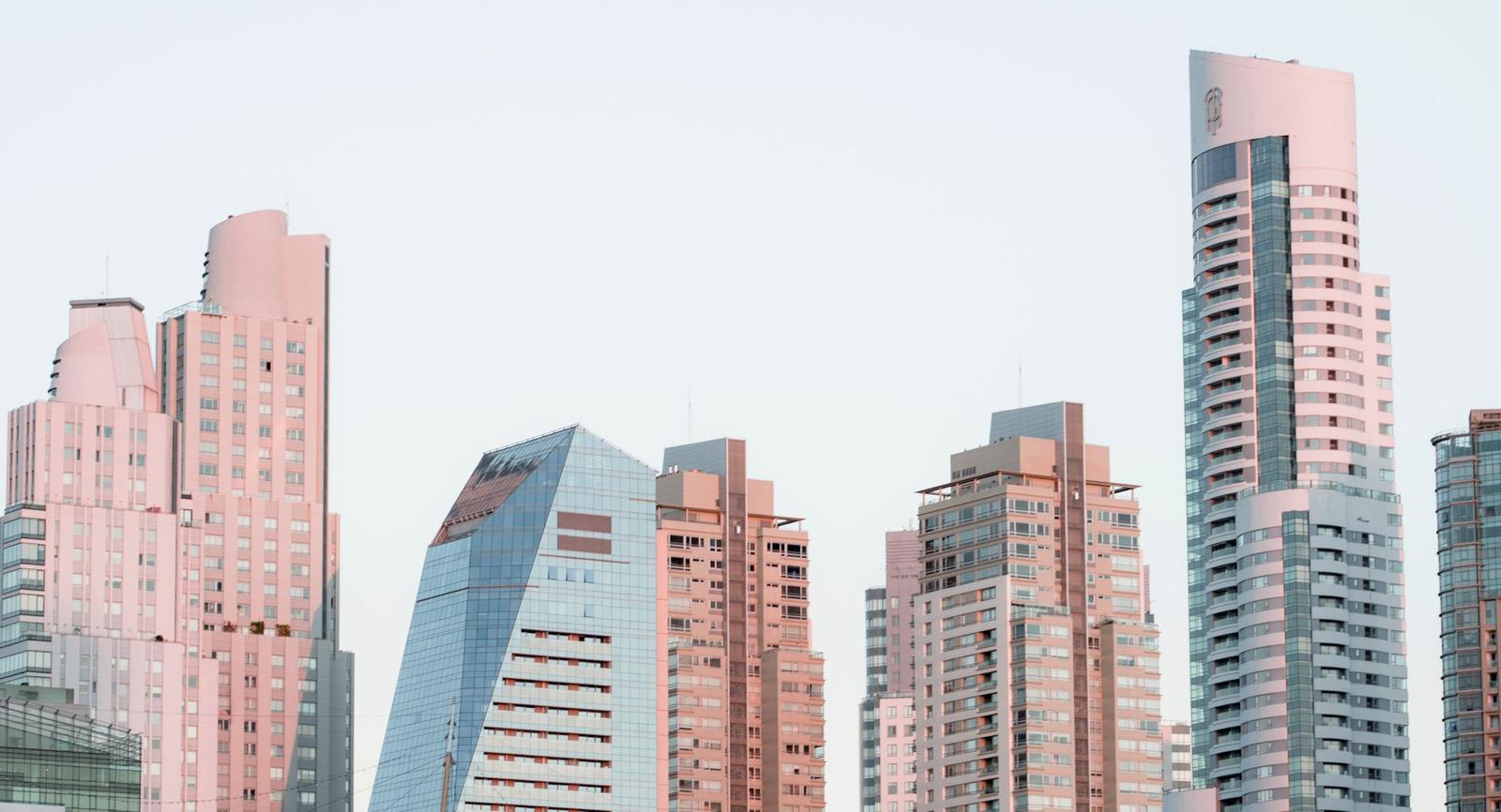
Buenos Aires’ rental market is entering a new phase. Data from April 2026 shows the pace of rental price increases slowing to 2.4% month-on-month, dipping below the city’s 3.4% inflation rate for March [3]. The figures mark a clear cooling trend in nominal rent growth, even as supply continues to expand dramatically.
The development follows the landmark repeal of rent control laws in 2023, which unleashed a wave of new listings. Rental supply surged by approximately 170% after deregulation, pushing vacancy rates from near zero in 2023 to about 4% in early 2026 [1]. Real rents, adjusted for inflation, fell by roughly 27% in the first seven months after the law changed, a sign that the market was rebalancing after years of tight regulation [2].
What the latest data shows
While nominal prices still rose, the April slowdown is significant. Year-on-year, rents in the fourth quarter of 2025 were up by over 32%, tracking accumulated inflation [2]. But the month-on-month deceleration suggests landlords are tempering expectations as more units hit the market. In nominal terms, a studio apartment now averages around ARS 550,000 (about USD 525 at current exchange rates), while equivalent USD-listed studios fetch roughly USD 700 per month [4].
The supply surge has been unevenly distributed across the city. In half of Buenos Aires’ neighbourhoods, particularly in central areas like Palermo and Belgrano, studio units now account for over 70% of available rental stock [5]. Two-room apartments make up nearly 40% of listings citywide, offering more options for tenants who need extra space [5].
Neighbourhood-level dynamics
In Palermo, the city’s trendiest district, the glut of studios means renters have far more choice than they did in 2023, when vacancy rates hovered near zero. Belgrano, a family-oriented neighbourhood, has also seen a flood of smaller units, though the share of two-bedroom apartments remains higher there than in Palermo [5]. The increase in supply has put downward pressure on real rents, even as landlords adjust their asking prices to attract tenants in a more competitive environment.
The vacancy rate of around 4% is still relatively low by international standards, but it represents a sea change from the near-zero levels that prevailed under the previous rent control regime [1]. For tenants, the improved availability means they can take more time to compare options, rather than snapping up the first available unit.
What’s next for renters and landlords
The clear direction of travel is toward a more balanced market. With supply elevated and nominal rent growth cooling, the real cost of renting, adjusted for inflation, has been falling for most of the past two and a half years. For tenants, that means better value, especially in central neighbourhoods dominated by studio apartments. For landlords, the challenge is to price competitively in a market where inventory is high and bargaining power has shifted.
The next few months will test whether the April slowdown becomes a sustained trend. If supply continues to grow and inflation moderates further, real rents could keep declining, drawing more tenants back into the formal market. For now, the numbers tell a story of a market that is still adjusting to life after rent control, with more stability emerging for those on the tenant side of the ledger.
This article is general information only and is not personal financial or investment advice. Consider your own circumstances and seek licensed professional advice before making financial decisions.
References Sourced but Not Limited to:
- expatsba.com · Rentals price increases slowed to below inflation and supply is...
- thelatinvestor.com · Argentina rents
- arg.news.o-abroad.com · 132626 en increase in rents in buenos aires
- adalytica.com · Rising rents buenos aires 6c57ee
- cato.org · Javier milei ended rent control now argentine real estate market coming...