property
Rent Here, Buy There: The Rent-Vesting Strategy Explained for Buenos Aires
More porteños are renting in the neighbourhoods they love while quietly buying investment properties elsewhere, and the maths are starting to make sense.
How we reported this
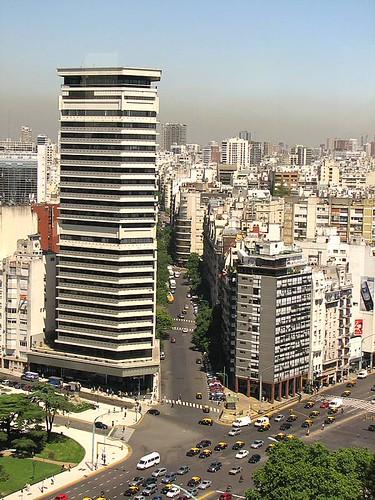
The average asking price for a used apartment in Buenos Aires sits at roughly USD 2,500 per square metre citywide, but in Palermo and Recoleta that figure climbs to USD 3,200 or more. For a generation of porteños priced out of the neighbourhoods where they actually want to live, a strategy long familiar to property investors in Europe and the United States is gaining traction locally: rent-vesting.
The concept is straightforward. Instead of stretching every peso to buy in a premium barrio, the renter-investor leases in their preferred neighbourhood and simultaneously purchases a smaller, cheaper property, often in an emerging area, that generates rental income and builds equity. In Buenos Aires, where USD-denominated transactions are the norm and the mortgage market remains thin, the strategy sidesteps one of the city's most persistent barriers to ownership.
Why This Moment Is Different
Two structural shifts are reshaping the calculation. First, the reactivation of peso-denominated mortgage lending under the UVA (Unidad de Valor Adquisitivo) scheme, which several banks relaunched aggressively through 2025, has brought new buyers into the market, pushing purchase prices in consolidated barrios upward while rental prices, newly regulated under the reformed Ley de Alquileres framework, have adjusted more slowly. The gap between what it costs to own versus rent the same unit in Palermo Soho or Recoleta's Avenida Alvear corridor has widened noticeably since mid-2024.
Second, districts like Villa Crespo, Chacarita and the northern stretch of Parque Patricios have posted asking-price increases of around 10 to 15 percent in dollar terms over the past eighteen months, according to data tracked by the Colegio Único de Corredores Inmobiliarios de la Ciudad de Buenos Aires (CUCICBA). A two-bedroom unit on Avenida Corrientes near the Villa Crespo border that listed at USD 85,000 in early 2024 is now routinely priced above USD 95,000, meaning early rent-vesters in those zones have already seen paper gains.
The rental yield arithmetic matters here. Gross rental yields in Buenos Aires have historically hovered between 3 and 5 percent annually in dollar terms, well below what investors might expect in higher-inflation peso instruments, but the argument for rent-vesting is not purely about yield. It is about decoupling lifestyle from asset allocation. A professional renting a 70-square-metre flat in Palermo Hollywood for roughly USD 900 per month can simultaneously hold a studio in Villa Crespo or Belgrano's lower-priced pockets, collecting USD 450 to USD 550 per month in rent, enough to cover a substantial portion of their own lease.
Making the Numbers Work on the Ground
The strategy demands discipline on entry price. Real estate brokers operating through the Corredor Inmobiliario network on Avenida Santa Fe stress that the spread between purchase price and achievable rental income is tightest in premium barrios and widest in transitional ones. Belgrano's R sub-zone, the blocks around Juramento and Vuelta de Obligado, and the Lacroze corridor in Chacarita are the zones property analysts most frequently cite as offering the combination of tenant demand, transport access and price entry points that make rent-vesting viable for middle-income buyers.
The friction costs deserve attention. Buenos Aires property transactions carry expenses, including stamp duty, notary fees and real estate commission, that typically add 4 to 7 percent to a purchase price. A buyer acquiring a USD 90,000 studio should budget USD 94,000 to USD 96,000 all-in. That initial drag means the strategy only makes financial sense over a horizon of at least five to seven years, at which point capital appreciation in a well-chosen neighbourhood can materially outpace the accumulated cost of renting elsewhere.
For porteños weighing this path, the practical starting point is not a glossy Palermo apartment portal but a careful audit of their own rent-to-income ratio. If monthly rent already exceeds 30 percent of net income, a threshold financial planners in the city use as a stress indicator, then adding a mortgage or purchase instalment plan requires serious cashflow modelling before committing. Those who have room, and who can identify the right entry-level property in a rising barrio, may find that rent-vesting is less a compromise than a deliberate, if unconventional, route to building real assets in a city where the premium postcodes have simply priced out patient ownership.
This article is general information only and is not personal financial or investment advice. Consider your own circumstances and seek licensed professional advice before making financial decisions.