Politics
Buenos Aires Zoning Reform Expands Jobs, Services, and Infrastructure Citywide
New zoning and development rules aim to boost local employment opportunities, improve public services, and upgrade infrastructure across Buenos Aires neighborhoods.
How we reported this
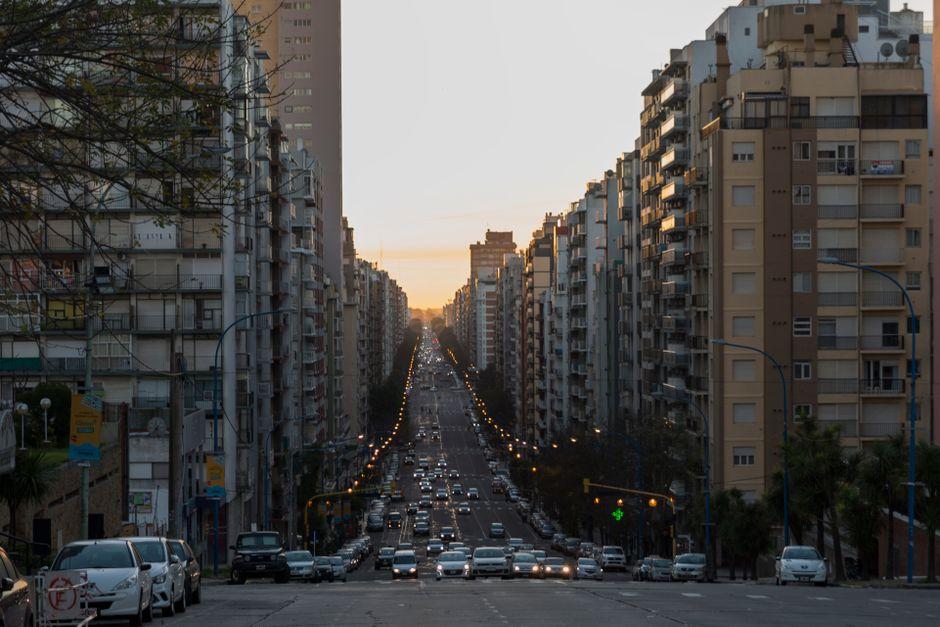
Buenos Aires city authorities have introduced revised zoning and development regulations designed to shape urban growth with a focus on increasing job opportunities, expanding access to public services, and enhancing infrastructure within the city. The updated rules will primarily impact residents in central and emerging districts where new commercial and residential projects are planned.
The timing of these changes follows years of rapid urban expansion in Buenos Aires, which has strained transport networks, schools, and healthcare facilities. These pressures have come amid broader national economic challenges, making it essential for the city's development framework to balance housing supply with the capacity of local services and employment sectors to absorb population growth. The new zoning framework responds to these needs by integrating land use with infrastructure planning.
Local Impact on Employment and Services
The zoning reforms designate specific zones within neighborhoods such as Almagro, Caballito, and La Boca for mixed-use development, mandating that new projects allocate space for small businesses and community service providers. This approach is expected to create approximately 4,000 new jobs in retail, hospitality, and service industries over the next five years, according to the 2026 City Development Plan published by the Buenos Aires Urban Planning Department.
For residents, this means improved access to essential services such as medical clinics, daycares, and grocery stores within walking distance of their homes. The policy also encourages developers to contribute to infrastructure improvements, including upgrades to local water and sewage systems and expanded public transport stops, to support the anticipated influx of both workers and residents.
Evidence and Budget Commitments
The Buenos Aires 2026 budget allocates ARS 3.8 billion (approximately USD 43 million) toward infrastructure projects tied to these zoning changes. This includes the expansion of subway Line B to reach underserved areas identified as high-growth corridors and the renovation of over 45 kilometers of public roadways in affected districts. City planners report that integrating development approvals with infrastructure funding aims to reduce delays commonly faced in neighborhoods undergoing rapid growth.
Data from the Buenos Aires Institute of Urban Studies indicates that between 2017 and 2025, the city saw a 15% rise in residents living beyond 1.5 kilometers from essential public services. The zoning reforms seek to reverse this, targeting a reduction in service gaps by 2028. Policy analysts highlight that aligning zoning with employment hubs aims to reduce commute times and lower transportation costs for lower-income families.
Residents can expect public consultations on specific development projects beginning in September 2026, as required by municipal regulations. The new zoning rules will be fully operational from January 2027, marking a significant shift in how Buenos Aires manages growth to support jobs, services, and infrastructure.