news
Affected Community Members Confront Poverty and Service Challenges in Buenos Aires
Over 651,000 residents face documented hardship as city data and research findings outline recent economic pressures.
How we reported this
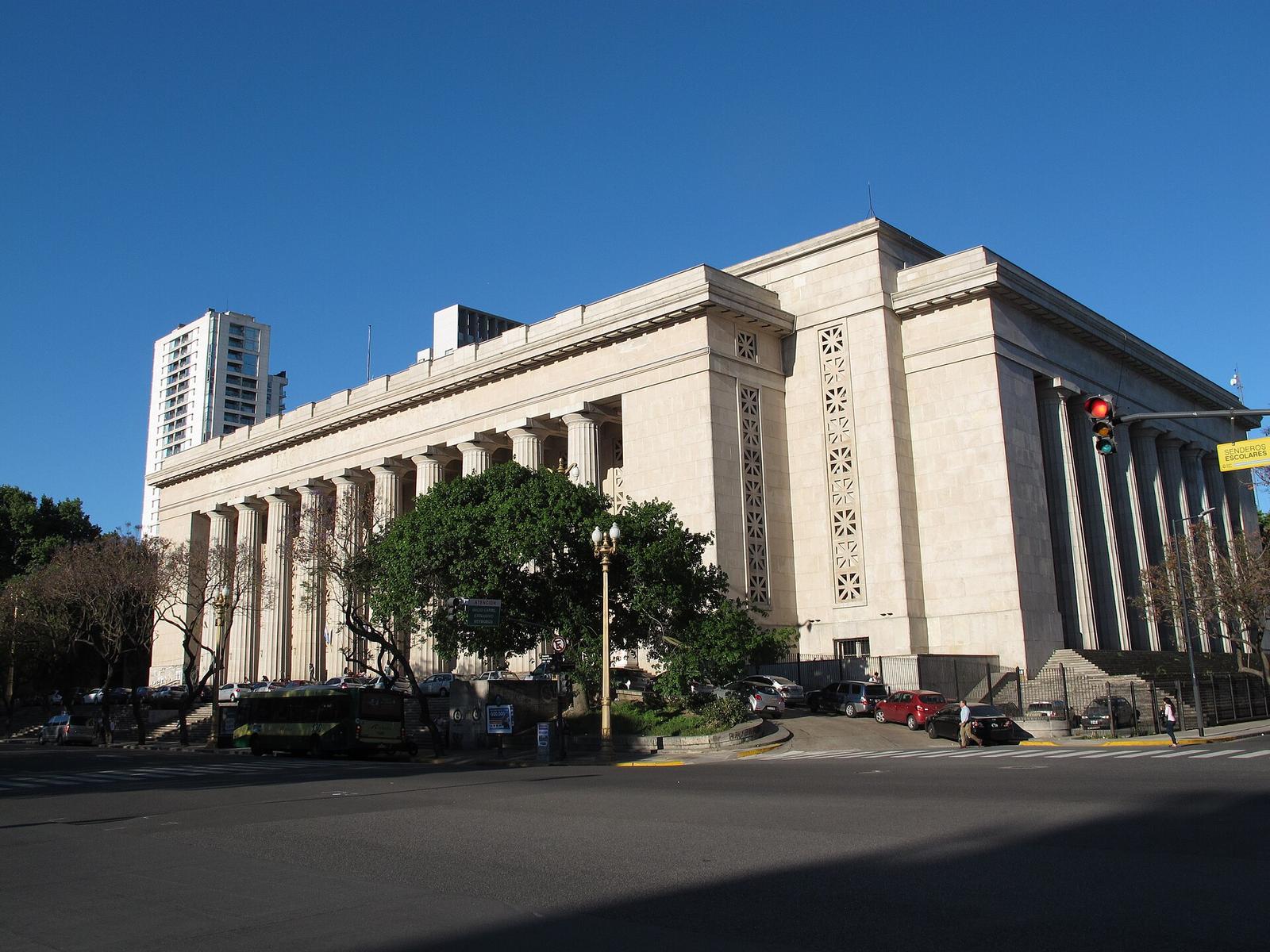
More than one in five residents of Buenos Aires were living in poverty during the first quarter of 2026, with the city statistics bureau IDECBA recording a total of over 651,000 people in that situation.
Scale of hardship across neighbourhoods
The figure from IDECBA covers a wide portion of the population and points to ongoing strain on households dealing with daily costs. City data places the count at more than 651,000 individuals, a level that touches many areas from central districts outward. Residents in these circumstances manage limited resources while local services face separate pressures from reduced investment.
Education and science support changes
University of Buenos Aires researchers have documented that education investment has nearly halved in the two years since President Javier Milei took office. The same analysis shows science funding falling over 46 percent during that period. These reductions affect institutions and programs that serve students and researchers throughout the city, adding to the broader picture of reduced public support.
Power disruption and election results
More than 600,000 people in Buenos Aires lost electricity during a massive blackout. Separately, La Libertad Avanza secured 39 percent of the vote in Argentina's legislative elections and recorded victories in Buenos Aires City along with other major regions. These developments occur alongside the poverty count reported by IDECBA and the funding shifts tracked by University of Buenos Aires researchers.
Community members continue to navigate the combined effects of these recorded conditions on household budgets, access to services, and local institutions. Further updates on city responses and program adjustments will depend on forthcoming reports from the same statistical and research sources.