news
Tracing the Roots of Buenos Aires Legislative Setup
The city's shift away from a standard municipal council toward a 60-deputy body and 48 communal boards reflects decades of administrative layering that still governs daily decisions.
How we reported this
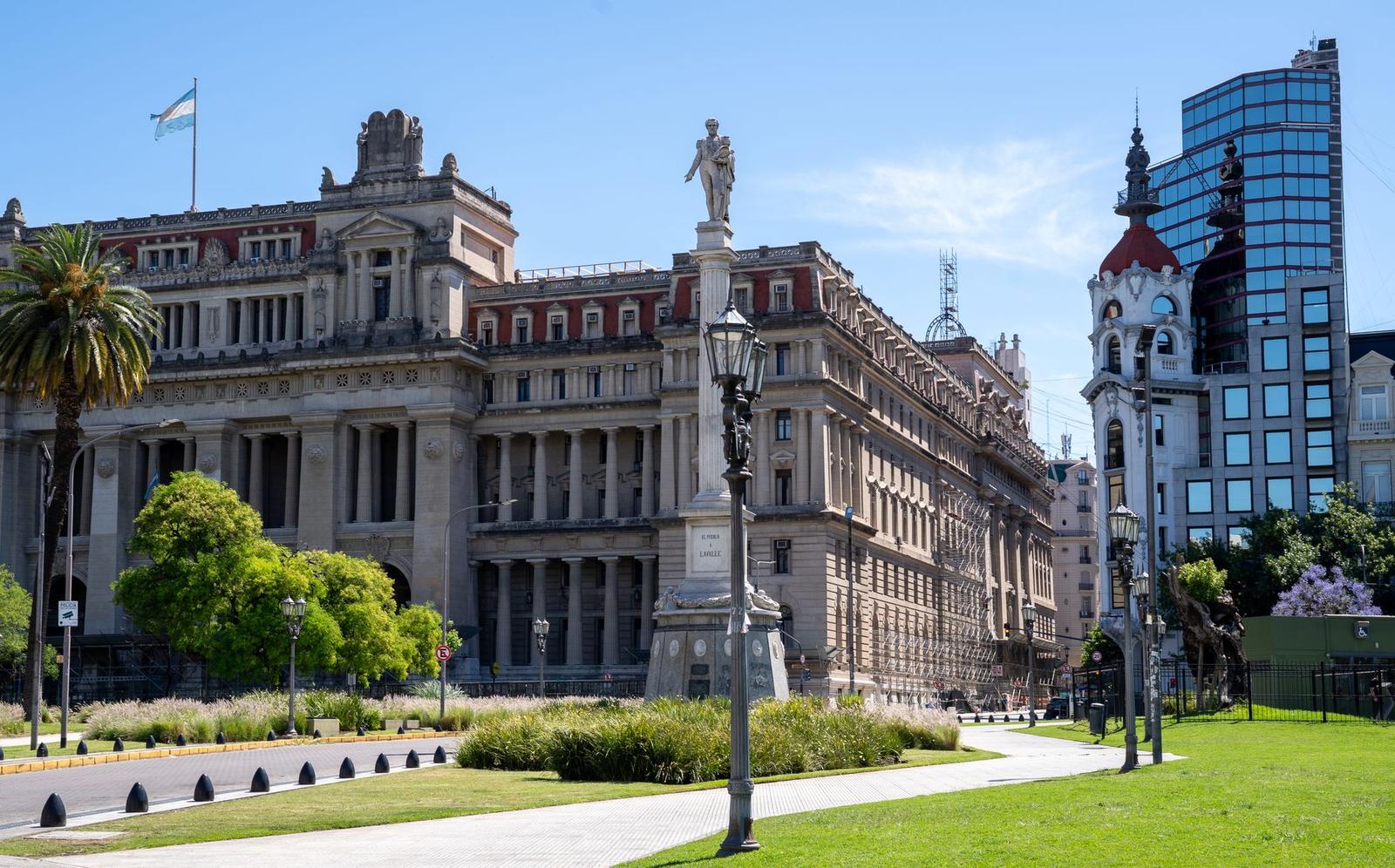
Buenos Aires runs its local affairs through a Legislatura de la Ciudad of 60 deputies elected by popular vote rather than any Concejo Municipal, with the body renewed by halves every two years.
That structure did not appear overnight. It grew from earlier municipal arrangements that split the capital into smaller units while keeping broader law-making at the city-wide level, a pattern visible in the current division of the city into 48 communes each run by a Junta Comunal serving four-year terms.
Legislatura operations and renewal cycles
Ordinary sessions of the legislative body run from April 1 to November 30 each year, with possible extensions or extraordinary sittings called for urgent matters. The half-renewal rule means roughly 30 deputies face voters every two years, creating staggered accountability that traces back to the decision to replace a single municipal council model with the present 60-member chamber.
Records of acts and related documents from these sessions, along with those of the communal boards, appear on the GCABA website under active transparency sections rather than on separate comuna pages.
Communal boards and local budgets
Each of the 48 communes handles local budget approval and community policies through its elected Junta Comunal. These boards operate on the same April-to-November calendar as the main legislative body, with full renewal of members every four years. The arrangement lets neighborhood-level spending decisions sit alongside city-wide legislation without reverting to an older Concejo Municipal format.
Recent activity in related oversight bodies includes the Council of the Magistracy appointment of Guillermo Scheibler, who will serve until May 2028, and Economic and Social Council approval of free subway transport for retirees and pensioners. Residents seeking updates on either the Legislatura or the communal boards can consult the GCABA transparency portal for the latest act books and commission records.