news
The Long Journey to Buenos Aires’ Current Transport Challenges
Decades of urban growth, economic shifts, and policy decisions have shaped the city’s present traffic and transport situation.
How we reported this
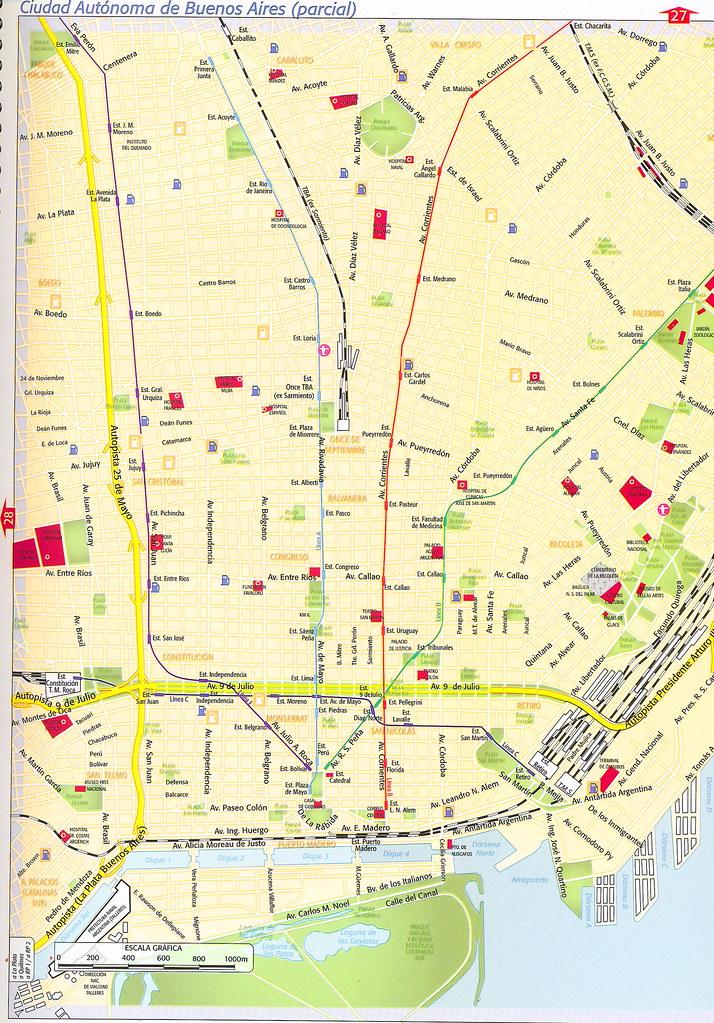
Buenos Aires faces a complex transit landscape today, influenced by years of political and economic changes that have left their mark on the city's streets and public transport systems. Understanding how the city got here provides insight into the transport gridlock and infrastructure struggles currently experienced by residents.
Historic Roots of Transport Issues
The city’s transportation system is the result of layered decisions from past administrations, urban growth patterns, and shifting economic circumstances. Buenos Aires expanded significantly in the late 20th century, with suburbs like Palermo Soho evolving into gentrified cultural hubs. This process increased demand for efficient public transit, yet infrastructure investment often lagged behind, especially amid economic uncertainty.
Political shifts, including the current libertarian government under President Javier Milei, have influenced policies affecting transport funding and regulation. Debates about peso stabilization and possible dollarisation also reverberate into public budgets, impacting allocations for transit projects and maintenance. Meanwhile, austerity measures have hit public services hard, including transport networks, complicating efforts to modernize or expand.
Local Realities and Economic Context
Transport bottlenecks in Buenos Aires occur not just because of population density but also due to economic pressures. Rising fuel costs and currency fluctuations complicate affordability for commuters and transit providers alike. In areas like Palermo Soho, gentrification has increased traffic congestion, partly due to increased commercial activity and tourism, but also due to limited parking and road space.
Simultaneously, public transit faces operational challenges since funding cuts have affected maintenance schedules and upgrades for subways and buses. While no new local or government figures are available for specific routes or upcoming plans, residents experience frequent delays and crowding on key lines, illustrating the tension between demand and infrastructure capacity.
Moreover, the transport situation contributes to broader social tensions stirred by austerity and economic adjustment. The city’s everyday mobility problems have become part of larger debates on how to balance fiscal discipline with quality of life and urban development needs.
What Buenos Aires Should Watch Next
Looking ahead, addressing Buenos Aires’ transport woes will require coordinated planning and investment, alongside efforts to stabilize the economy. For now, commuters should anticipate continuing frustrations and seek alternatives where possible-walking, cycling, or shifting travel times to avoid rush hours remain practical responses to daily congestion.
Public discussion about the future of the city's mobility tends to focus on innovative approaches and policy reforms, yet the foundation lies in confronting how past decisions and economic realities have constrained present options. Recognising this history is essential for any sustained improvement in Buenos Aires’ transport environment.