news
Economic Pressures and Political Shifts: How Buenos Aires Arrived at a Crucial Juncture
A look at the background and underlying factors shaping the current social and economic landscape in Argentina's capital under Javier Milei’s presidency.
How we reported this
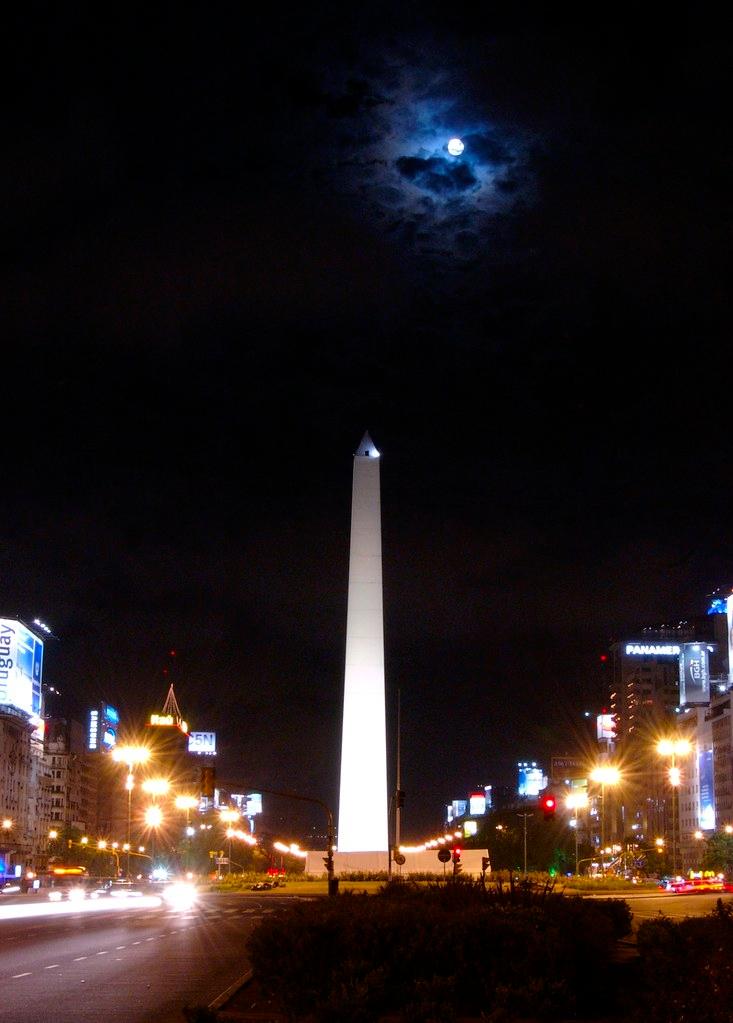
Buenos Aires finds itself at a sensitive crossroads as President Javier Milei’s libertarian government continues to implement tough economic adjustments amid ongoing debates over peso stability and dollarisation. The capital’s residents are experiencing firsthand the consequences of an intensified IMF programme intended to stabilise the nation's economy, while social tensions over rising living costs and austerity measures grow more palpable.
Context: Why Now?
The city's current state is tightly linked to Argentina’s broader financial challenges, exacerbated by a deepening international economic crisis and structural fiscal imbalances. President Milei’s administration has pursued market-oriented reforms, reflecting a sharp ideological departure from previous governments that favoured interventionist policies. This includes pushing ahead with austerity to meet IMF programme conditions which, though designed to contain inflation and restore fiscal order, have sparked unrest among workers and sectors reliant on public funding.
The urgency stems from worsening economic indicators nationwide, prompting heated debates in Buenos Aires over the future of the peso and the possibility of comprehensive dollarisation-a plan which aims to curb hyperinflation but entails significant sovereignty considerations on monetary policy.
Local Impact and Specifics
In Buenos Aires neighbourhoods like Palermo Soho, traditionally known for vibrant arts and cultural scenes, funding cuts are evident, marking a shift toward austerity that threatens long-established creative communities and small businesses. Socially, many suburban districts have reported an uptick in protests and demonstrations over deteriorating public services and increased cost of living, underscoring the fraying social fabric.
Economic adjustments have ripple effects on everyday life. For instance, key commodities and services see price fluctuations that force families to modify spending habits. While detailed statistics on inflation or price changes in Buenos Aires remain limited at the moment, anecdotal reports from residents and local organisations paint a grim picture of household budgets under strain.
At the institutional level, the government's commitment to IMF conditions means tight fiscal policy and controlled public expenditure, which has impacted municipal programs, especially in social welfare and infrastructure maintenance. Experts highlight that while stabilisation is a priority, the social costs are increasingly apparent, potentially fueling further political and social unrest.
Looking Ahead: What's Next for Buenos Aires?
The city today faces a complex balancing act between economic reforms and maintaining social cohesion. Citizens and local authorities alike are preparing for extended periods of adjustment as the government persistently navigates its economic programme. For residents, vigilance and engagement with community organisations may become crucial in voicing concerns and seeking support mechanisms.
Meanwhile, debates around the peso's future and dollarisation continue to shape public discourse. Whether this leads to concrete policy shifts or incremental adjustments, Buenos Aires’ social landscape will likely remain sensitive as economic pressures persist. The immediate future calls for cooperation between government, businesses, and civil society to mitigate impacts on vulnerable populations while safeguarding the city’s cultural vitality amid austerity.