news
Voices from Buenos Aires Community Members on Education Challenges
Parents, teachers, and students in Buenos Aires share their perspectives amid ongoing debates over education funding and reform.
How we reported this
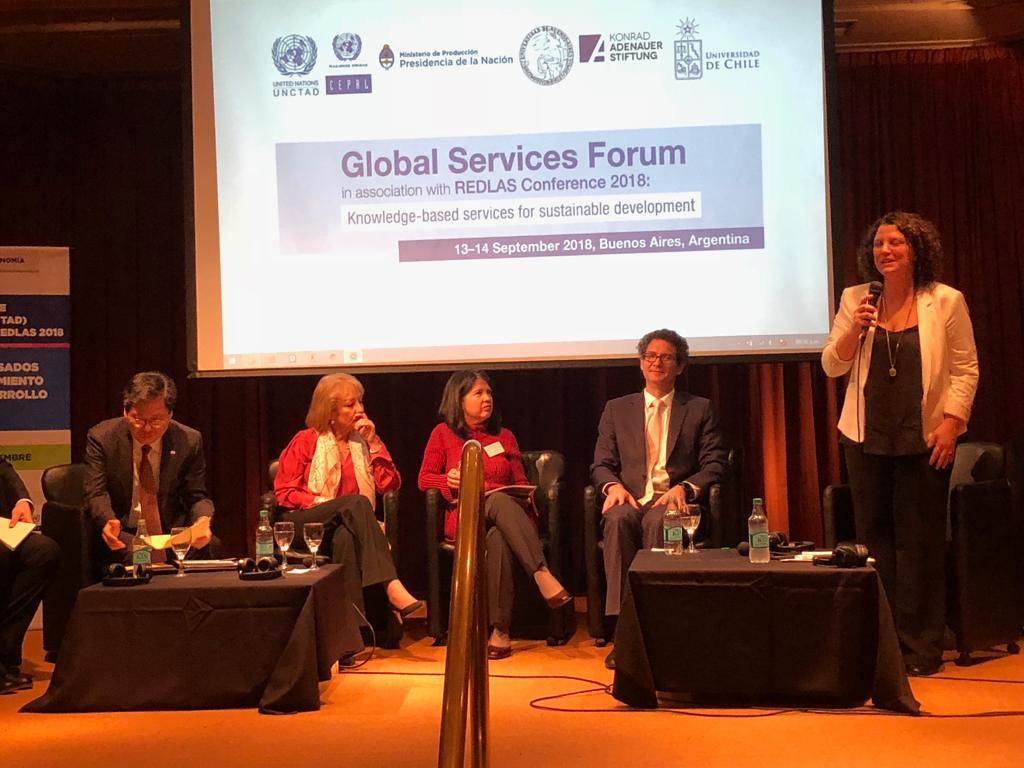
Buenos Aires residents directly involved in the education sector are expressing growing concern over changes to school financing and curriculum reforms under the current administration. Across neighborhoods from Caballito to La Boca, community members say adjustments in public education policies are reshaping their children’s learning environments, often with uncertain consequences.
Community Perspectives on Funding and Curriculum Changes
In several local districts, parents note that budget constraints have impacted the availability of teaching materials and extracurricular activities. Teachers report increased class sizes in public schools, which they say affects individual attention and student engagement. Some families in working-class areas feel the austerity measures have heightened inequalities, with well-resourced private institutions continuing unaffected.
These impressions stem from broader fiscal adjustments that the government has implemented as part of its economic stabilization efforts. Although no recent public statistics specify exact funding cuts to education, the sentiment across affected communities reflects ongoing financial strain and a perceived shift in priorities. Local educators and school administrators have also voiced unease about pending curriculum overhauls, fearing that rapid changes could disrupt learning continuity.
On-the-Ground Realities in Buenos Aires Neighborhoods
In the neighborhood of Flores, a community library serving as both a learning center and social gathering spot highlights the resource squeeze. Volunteers there describe a rising demand for after-school programs that they struggle to meet amidst limited funding. Similarly, families in the traditionally working-class district of Villa Lugano report that some public schools lack updated textbooks and face maintenance issues.
In wealthier districts like Palermo Soho, the private education sector appears more insulated from these pressures, though such disparities fuel debate around equity and access citywide. The arts and cultural sector's austerity has coincided with these educational challenges, further affecting programs that incorporate creative arts into school curricula.
These voices provide qualitative insight into the lived experiences of Buenos Aires’s education stakeholders, underscoring the complexity of balancing economic policy with educational needs.
Looking ahead, community leaders and educators encourage ongoing dialogue with municipal officials to advocate for sustainable funding and clear communication about educational reforms. Parents are advised to engage with local school councils and community organizations to stay informed and involved in decision-making processes that affect their children’s schooling.