news
Tracing the Roots of Buenos Aires’ Latest Local Government Moves
Understanding the historical and political factors that shaped recent decisions by Buenos Aires authorities.
How we reported this
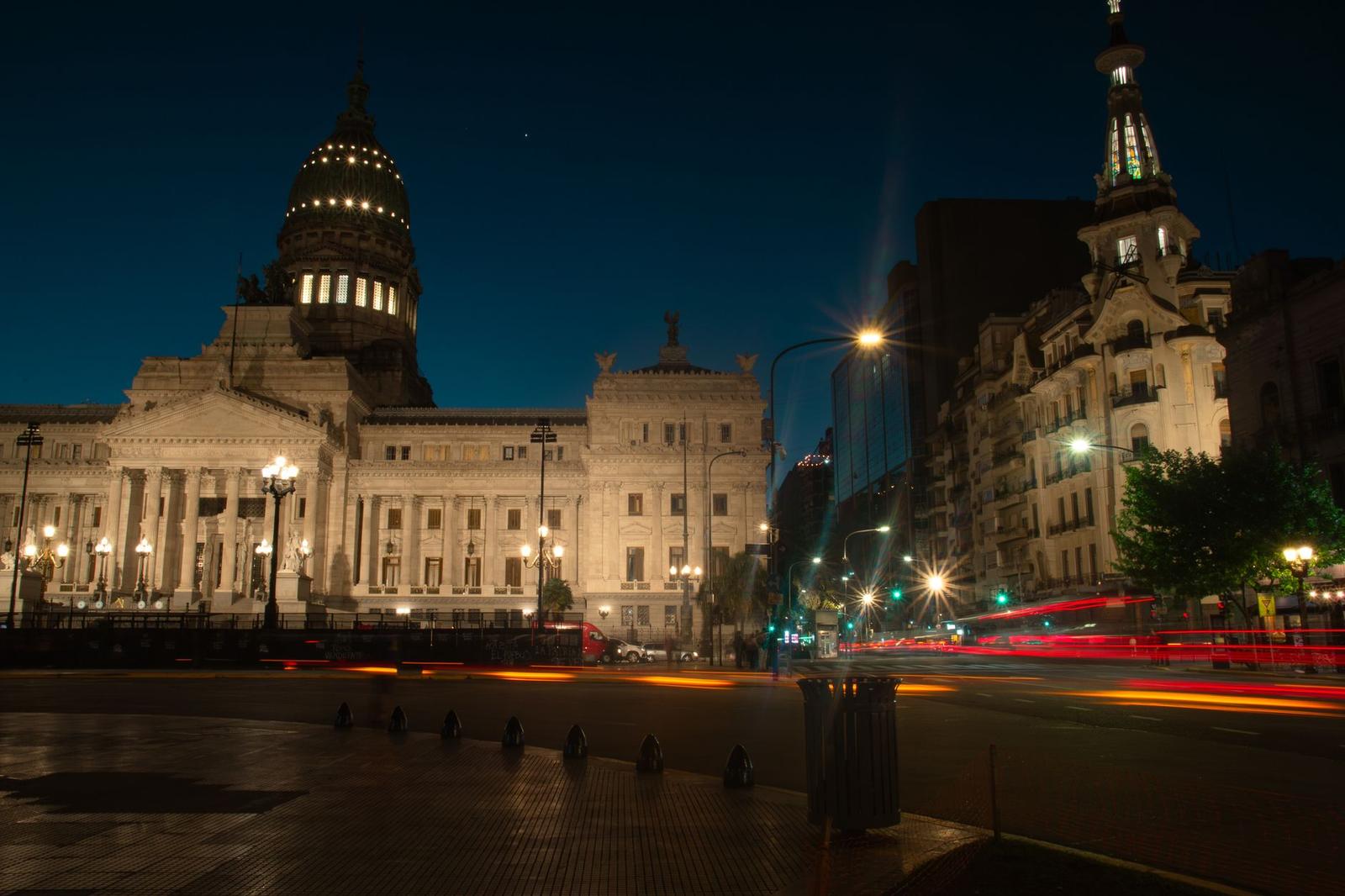
Buenos Aires city officials have recently approved a series of measures that continue to reflect the complex intersection of economic adjustment and social unrest experienced under Javier Milei’s libertarian presidency. These local government decisions highlight broader challenges rooted in ongoing debates over peso stabilization, dollarization, and austerity impacts on the social fabric of the city.
Why This Moment Matters
The current local government trajectory stems from years of intense fiscal pressure and societal demand for change. Since Milei’s inauguration, his administration has confronted mounting economic challenges, including inflation and monetary instability. This national backdrop has forced Buenos Aires’ municipal authorities to wrestle with the fine balance between enforcing strict budget controls and addressing growing social tensions, especially in historically vibrant but vulnerable neighborhoods such as Palermo Soho, known for its mix of gentrification and artistic communities.
Given the city’s size and symbolic economic role, local decisions have far-reaching effects on residents’ everyday lives-from public transport fares to cultural funding. The austerity programs linked to conditions set by international financial bodies have inhibited the city’s capacity to respond flexibly. Consequently, each new policy decision invites scrutiny, especially from communities dependent on public services and cultural sectors strained by reduced funding.
Contextualizing Local Decisions Through Austerity and Adjustment
Buenos Aires has witnessed a gradual but steady implementation of austerity measures at the municipal level, reflecting the national government’s efforts to meet International Monetary Fund program conditions. These measures have included cuts to non-essential public spending and increased scrutiny of subsidies and tariffs. The arts and cultural community, a cornerstone of Buenos Aires’ global appeal, has found itself particularly squeezed, with funding pulled back and cultural venues struggling to stay afloat amid rising operational costs and limited municipal support.
Neighbourhoods like Palermo Soho encapsulate these tensions vividly. Once a stronghold of countercultural expression, it has grown into a symbol of contested urban transformation. Gentrification accelerates as property values rise, yet local artists and long-term residents grapple with diminishing access to affordable spaces. These conditions are not isolated; they mirror the dynamics playing out across other parts of the city where local government decisions intertwine economic priorities with social contestation.
Underlying Evidence and Trends
While specific local statistics tied to these recent government decisions remain unpublished, the qualitative evidence is clear. Public debates underscore the heightened sense of urgency as economic adjustment policies clash with entrenched social needs. Inflationary pressures continue to undermine purchasing power, exerting additional strain on municipal service delivery. Reports from cultural organizations emphasize dwindling budgets and resource constraints, which in turn have real consequences on Buenos Aires’ cultural vitality and social cohesion.
The lived experience in affected neighbourhoods reflects a city negotiating its identity between economic stabilization efforts and the preservation of its rich cultural heritage. Municipal leaders must navigate these choppy waters, balancing austerity mandates with constituent demands for social and cultural investment.
Looking ahead, Buenos Aires’ local government will be closely watching how ongoing national economic strategies influence municipal capacity to deliver essential services. Stakeholders from cultural sectors to community advocacy groups are expected to push for policies that better accommodate social needs while respecting financial realities. Residents are advised to engage with local forums and municipal channels to voice their concerns and stay informed about evolving decisions that affect daily life in the city.