news
Buenos Aires Officials, Experts Address Mounting Traffic and Transit Crises
Key figures weigh in on the state of traffic and public transit amid ongoing urban pressures in Buenos Aires.
How we reported this
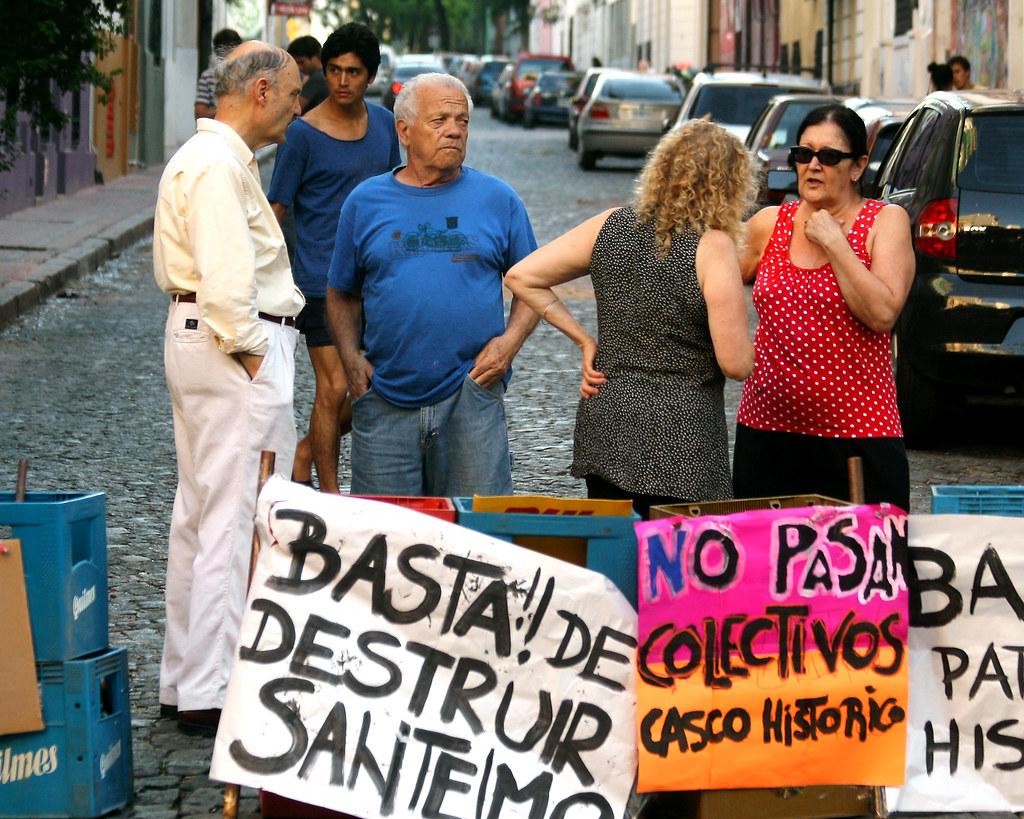
Traffic congestion and transport infrastructure have become focal points of discussion among Buenos Aires city officials, urban planning experts, and transportation leaders this week. The debates come amid heightened social tensions and economic adjustments under President Javier Milei's administration, which continues to grapple with balancing fiscal austerity and the city’s mobility needs.
Why Transport Is a Critical Issue Now
With economic pressures tightening household budgets and public services facing austerity, efficient and affordable transportation in Buenos Aires has taken on new urgency. Residents in bustling neighborhoods like Palermo Soho, where gentrification is shifting population density and travel patterns, feel these strain points sharply. Experts note that transport systems are not merely about moving people but are deeply linked to social equity and economic opportunity, especially during times of significant policy shifts.
Urban planners and traffic analysts have pointed out that decision-making around public transit, road maintenance, and traffic regulation must contend with rising demand alongside cost controls imposed by broader IMF programme conditions. The challenge is to avoid deeper social cleavages as adjustment measures impact everyday commutes and transport accessibility.
Voices from the Field
Local authorities emphasize the need for coherent policies that integrate road traffic management with public transit expansion. Although no specific new projects have been detailed recently, there is a consensus among transport officials on prioritizing sustainable mobility solutions that reduce congestion in key arteries such as Avenida Santa Fe and Avenida Corrientes.
Experts from urban mobility organisations underscore the importance of data-driven approaches to manage increasing vehicle flows and pedestrian safety concerns, particularly around major transit hubs. They stress that investment in digital traffic control and improved public transportation are essential to increase efficiency without exacerbating public spending.
Meanwhile, representatives from Buenos Aires’ taxi and ride-share sectors call attention to the pressures their industries face amid changing transport regulations and competition. They advocate for policies balancing innovation with fair livelihoods.
Looking Ahead: Managing Expectations and Practical Advice
While Buenos Aires navigates complex transport challenges, officials advise residents and commuters to stay informed about evolving traffic regulations and public transit options. The prevailing expert view is that enhancing the city's mobility ecosystem will require time, cooperation, and prudent resource allocation aligned with broader economic strategies.
In the meantime, adaptive commuting strategies and engagement with city transport forums can help passengers mitigate daily disruptions. Authorities have signaled they are monitoring the situation closely but have yet to announce concrete policy changes or infrastructure investments specific to the immediate future.