news
Buenos Aires Education Sector at a Crossroads: Key Decisions Await Under Milei Presidency
With growing economic pressures and austerity measures, Buenos Aires faces crucial choices about education funding, policy, and future direction.
How we reported this
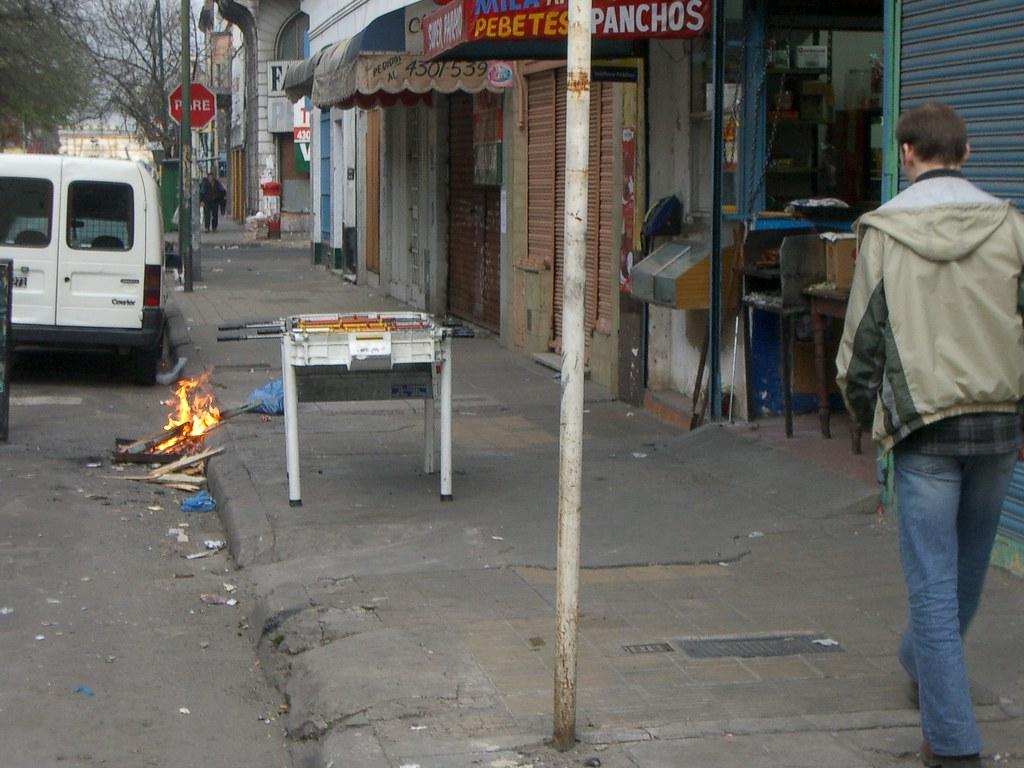
The education landscape in Buenos Aires is poised for significant decisions amid the Javier Milei administration’s economic adjustments and ongoing austerity. The city's schools and cultural institutions face mounting challenges that will shape policies and resource allocation in the months ahead.
Education has become a focal point as the current government balances IMF program conditions demanding fiscal discipline with social tensions arising from cuts in public spending. The sector’s ability to sustain quality and inclusivity hinges on decisions regarding budget prioritization and structural reforms.
The Financial Crunch and Its Impact on Schools and Cultural Programs
In neighborhoods like Palermo Soho, where gentrification is reshaping demographics, schools are experiencing a mix of resource shortages and pressure to adapt their curricula. Cultural institutions, which often support educational activities, are operating under tightened budgets. Amid austerity, there’s concern over how this will affect both urban and suburban districts, particularly those serving lower-income families.
Public universities and technical education centers, long vital for workforce development, face uncertain funding streams as government revenue reallocations come into effect. This raises questions about tuition policies and potential hikes that could affect accessibility for students from less affluent backgrounds.
What to Expect and the Decisions on the Horizon
Looking ahead, policymakers in Buenos Aires must strike a delicate balance between fiscal responsibility and maintaining educational standards. Priorities will likely include deciding whether to increase investment in digital infrastructure for schools, reform teacher salary structures, and bolster vocational training programs aligned with market demands.
The dialogue among stakeholders-government entities, educators, parents, and community leaders-will be critical in determining the sector’s trajectory. Practical steps may involve consultation forums and pilot initiatives targeting the preservation of educational quality amidst budget constraints.
For families and educators, staying informed on policy announcements and local school board meetings will be essential. Adapting to potential funding changes and advocating for transparent decision-making can help navigate the evolving educational environment in Buenos Aires.