news
Buenos Aires Faces Distinct Challenges in Education Amid Economic Strains
While cities worldwide grapple with education funding, Buenos Aires confronts austerity-driven cuts that contrast with efforts seen in other metropolitan areas.
How we reported this
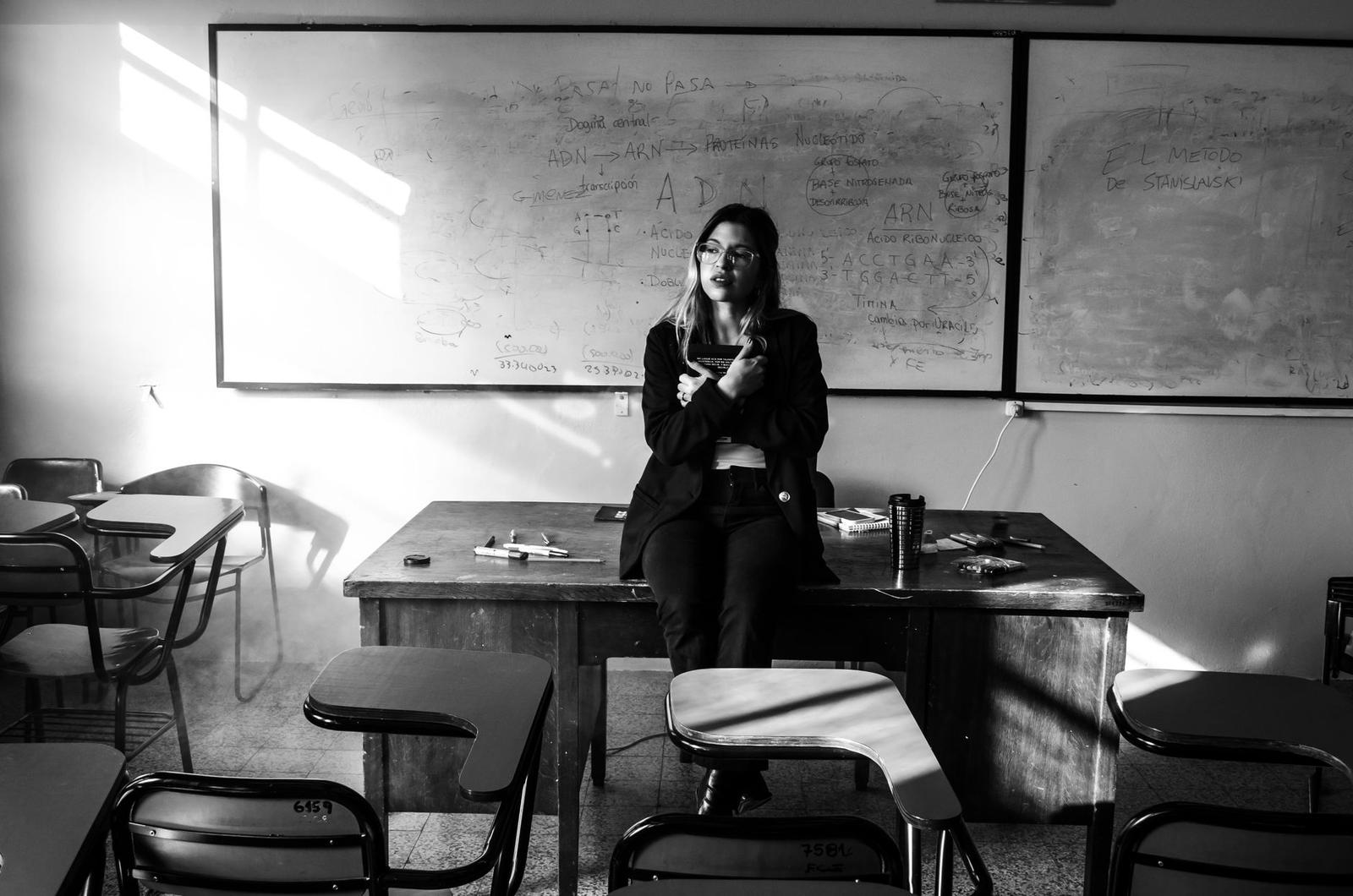
Buenos Aires’ education sector is under growing pressure as the city's administration navigates economic adjustments shaped by ongoing austerity measures. Unlike some global cities that have managed to shield their education budgets, Buenos Aires confronts the tough challenge of sustaining quality education amidst fiscal constraints and lively debates over economic policy.
Economic Realities Shape Education Priorities
President Javier Milei’s libertarian government has prioritized economic stabilization following years marked by inflation and social tension. Education funding, an area traditionally under both provincial and national oversight, is contested amid dollarisation discussions and IMF programme conditions that encourage austerity. This environment has translated into limited public spending capacity, forcing schools and cultural institutions within Buenos Aires to adjust programs and resource allocations.
While the precise funding figures remain unavailable, local schools, including those in neighborhoods like Palermo Soho, known for cultural vibrancy, report increasing operational challenges. The arts and cultural education sectors are especially vulnerable, as austerity campaigns reduce public support, impacting curriculum offerings and extracurricular activities. This contrasts with cities elsewhere that leverage creative strategies or external partnerships to protect education financing despite economic headwinds.
Local Institutions Struggle with Resource Constraints
Education providers such as public schools and community centers are coping with deteriorating infrastructure and limited hiring. These effects ripple through Buenos Aires’ broader social fabric, as education forms a vital foundation for urban development and social stability. Observers note that the lack of guaranteed budgets threatens to widen educational disparities across the city’s diverse districts.
This reality places Buenos Aires at a crossroads compared to similar global cities, which increasingly adopt diversified funding models or embrace private sector collaboration to offset state budget constraints. However, Buenos Aires’ ongoing political and economic debates limit consensus on such options, slowing reforms that might ease pressure on public education.
Ultimately, how Buenos Aires addresses these fiscal and policy challenges will influence its long-term educational outcomes and social cohesion. Stakeholders across education and government are urged to seek pragmatic solutions balancing austerity with investment, to prevent further erosion of the sector amid external uncertainties and internal demands.