news
Buenos Aires Officials, Experts Debate Growing Digital Image Fraud Problem
From Palermo Soho studios to city government offices, debate over duplicate image manipulation in public contracts and media is forcing a reckoning with how Argentina regulates digital authenticity.
How we reported this
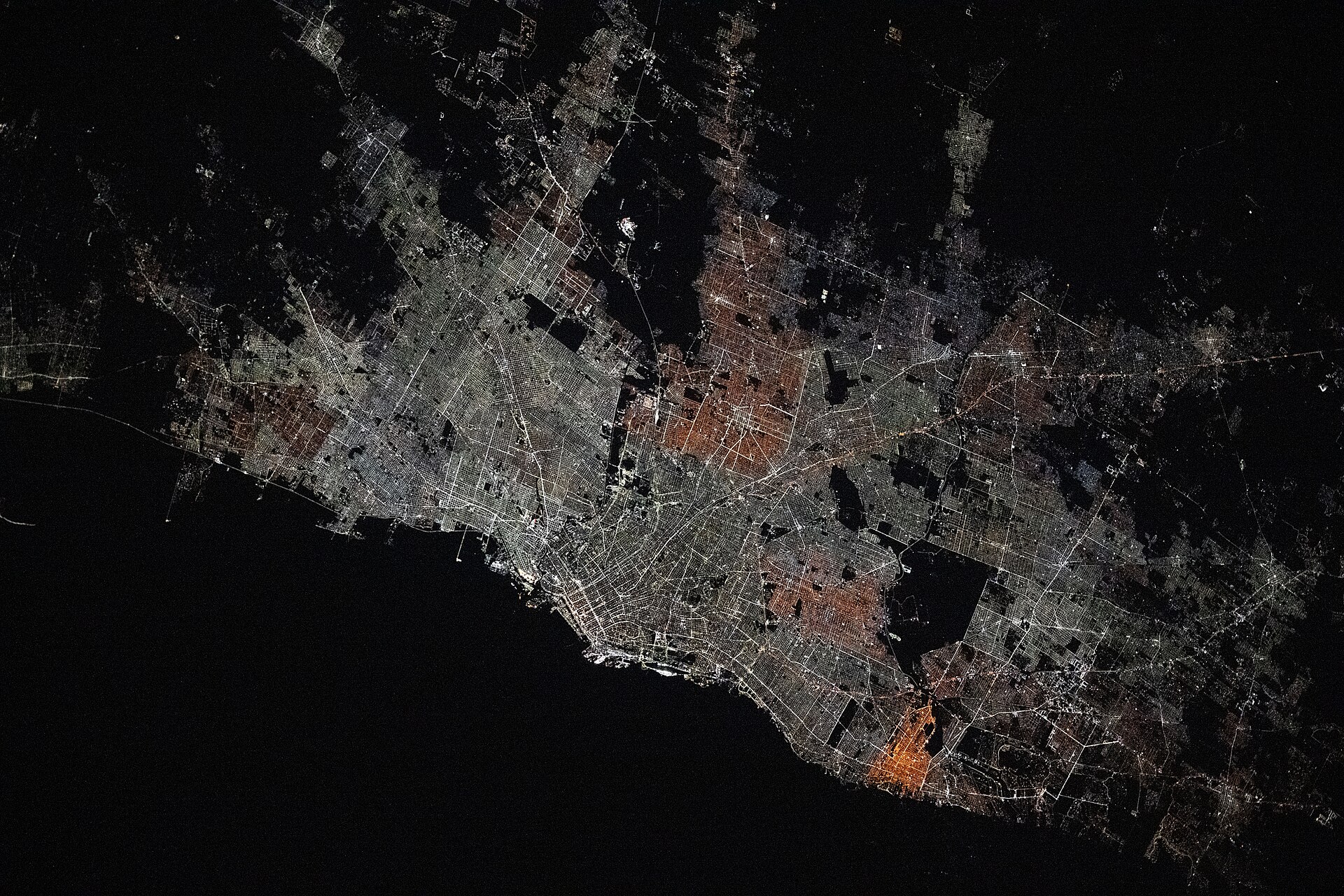
Buenos Aires city authorities and communications specialists are raising alarms about the proliferation of duplicate and manipulated images in public procurement documents, real estate listings and digital media campaigns, a practice that, left unchecked, costs public agencies credibility and private clients real money. The issue landed on desks across the Defensoría del Pueblo de la Ciudad de Buenos Aires this past week after a cluster of complaints linked to tender documents submitted to the Ministerio de Desarrollo Urbano flagged visually identical photographs attached to bids from competing vendors.
The timing matters. Under the Milei administration's sweeping austerity programme, public contracts have been trimmed and scrutiny over how remaining pesos are spent has sharpened considerably. The IMF programme currently conditioning Argentina's access to a multi-billion-dollar credit line demands greater transparency in state expenditure, which means fraudulent or misleading documentation, including doctored images, carries more institutional weight than it might have two years ago. Digitisation of procurement processes, accelerated by the national government's push to reduce bureaucratic overhead, has inadvertently opened new vectors for manipulation.
In the creative and technology sectors, the conversation is somewhat different. At AreatecBA, a coworking and digital production hub on Avenida Scalabrini Ortiz in Villa Crespo, developers and graphic designers say they deal with duplicate-image problems on a weekly basis, mostly in the context of e-commerce clients selling on Mercado Libre who recycle product photography across dozens of listings. The Centro Metropolitano de Diseño, the city's official design facility in the Barracas neighbourhood, has begun incorporating image-authenticity workshops into its professional development calendar for 2026, according to the centre's published programme schedule. Instructors there focus on metadata verification and reverse-image search protocols as baseline hygiene for freelance and agency work.
What Specialists Are Arguing
Professionals working in digital forensics, a small but growing niche in Buenos Aires, say the core problem is a lack of regulatory teeth. Argentina's Ley de Propiedad Intelectual, Law 11.723, covers copyright but does not specifically address the use of duplicated images to deceive public bodies or consumers in commercial transactions. Specialists in IP law who work along the Microcentro's financial corridor, particularly firms clustered around Avenida Corrientes and Reconquista, have been fielding inquiries from corporate clients since at least early 2025 about liability exposure when vendors submit visually identical content.
The advertising industry is also paying attention. The Cámara Argentina de Agencias de Medios, based in the Monserrat district, published internal guidance earlier this year urging member agencies to require clients to certify the originality of all visual assets used in campaigns destined for public-sector clients. The guidance does not carry the force of regulation, but senior figures in the sector have been vocal at industry panels held at the Centro Cultural Kirchner about the reputational risk of remaining passive.
Numbers Behind the Problem
Exact figures on how widespread image duplication is within Buenos Aires' procurement ecosystem are hard to pin down, no government audit published to date has isolated the practice as a standalone category. What is documented: Mercado Libre's own transparency report for Latin America noted that image-related policy violations across the platform ran into the tens of thousands of removals per quarter in 2025. Locally, the Ente Nacional de Comunicaciones received 3,200 complaints in the first quarter of 2026 related to misleading digital content, a figure the agency published in its quarterly bulletin released in April.
For businesses and public agencies trying to get ahead of the issue, the practical steps recommended by digital compliance advisers are concrete. First, embed cryptographic metadata, EXIF data including timestamps and device signatures, in all image assets before submission to any tendering system. Second, run every batch of incoming visual documents through a perceptual hash comparison tool before acceptance; several open-source options are widely available. Third, legal teams should amend standard vendor contracts to include an image-originality warranty clause with financial penalties. The Defensoría del Pueblo has indicated it is reviewing whether to issue a formal recommendation to the Legislatura de la Ciudad de Buenos Aires calling for updated procurement guidelines that explicitly address digital asset authenticity, a move that could give the issue regulatory standing before the end of the 2026 legislative session.