news
Buenos Aires Homeowners Lose Money to Duplicate Property Listings on Real Estate Sites
Duplicate property images circulating across Argentina's main real estate portals are fuelling fraud risk and market confusion at a moment when every peso counts.
How we reported this
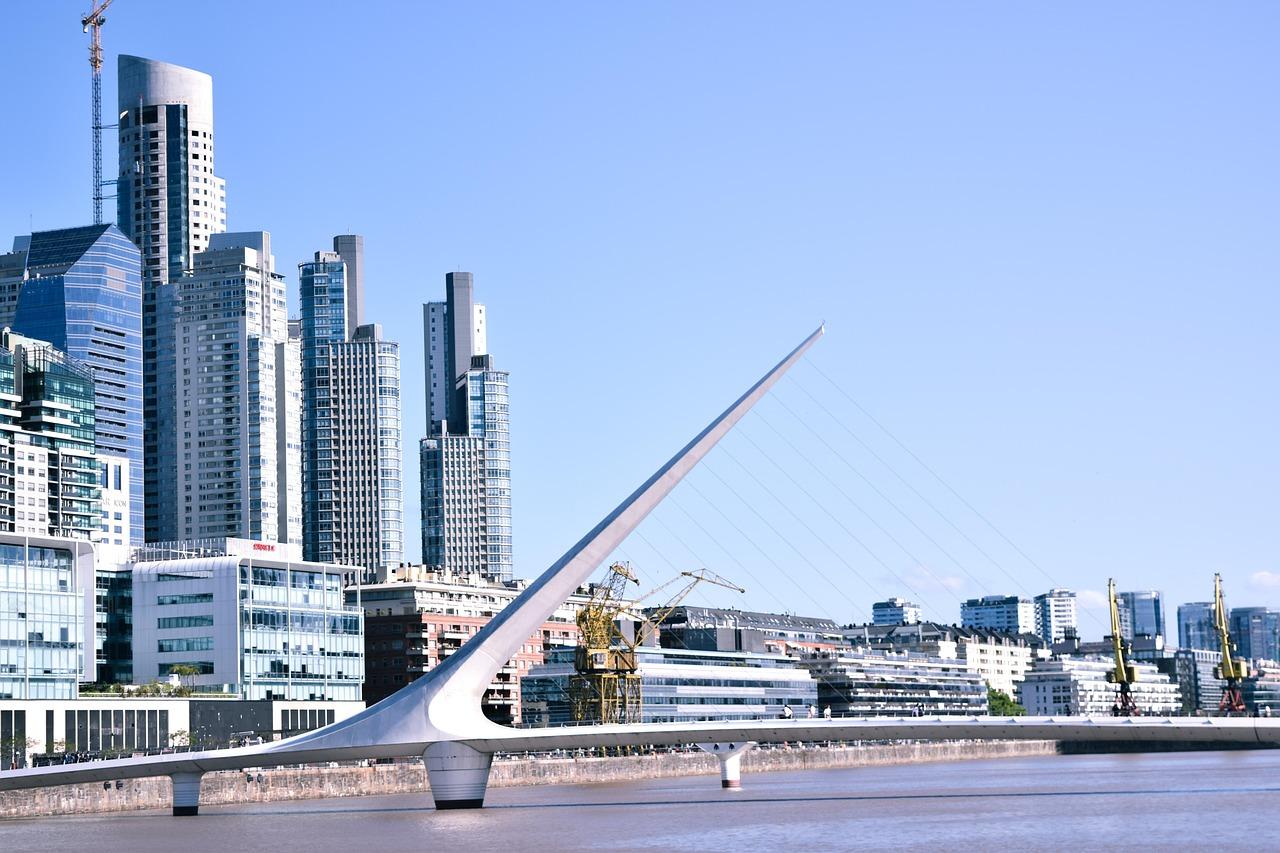
Porteños hunting for a rental or a first property purchase are encountering a specific, grinding problem: the same apartment photographs appearing on multiple listings simultaneously, sometimes at wildly different prices, sometimes attributed to different brokers, and sometimes used to advertise units that do not exist at all. The practice, duplicate image reuse across Argentina's fragmented real estate portal ecosystem, is eroding trust in digital property listings at the worst possible moment for the city's housing market.
Buenos Aires entered 2026 with peso stabilisation still fragile under the Milei administration's economic programme and with rental prices in neighbourhoods like Palermo Soho and Villa Crespo having risen sharply since the derogation of the old Ley de Alquileres in 2023. Against that backdrop, a family that wastes three Saturdays visiting properties that turn out to be fictitious or already let, because duplicated photos made them look like fresh listings, is not merely inconvenienced. They are spending bus fares, losing work hours, and in the worst cases handing over reservation deposits to operators using stolen images as bait.
How Duplicate Images Travel Through the Market
The mechanics are straightforward. A legitimate broker on Avenida Corrientes photographs a two-bedroom unit in Almagro, uploads the images to Zonaprop or Mercado Libre Inmuebles, and the listing goes live. Within days, the same photographs, extracted by screen-scraping tools or simple right-click downloads, appear on secondary portals or WhatsApp-forwarded listings, either repriced to attract clicks or attached to entirely fictional addresses. Investigators at Argentina's consumer protection body, the Secretaría de Comercio, have documented this category of digital fraud under broader online advertising complaint data, though the agency has not published a Buenos Aires-specific duplicate-image figure for 2026.
The Colegio Único de Corredores Inmobiliarios de la Ciudad de Buenos Aires, known as CUCICBA, which registers and regulates licensed real estate agents in the capital, has run periodic awareness campaigns urging buyers and renters to verify broker matriculation numbers before transferring any money. The organisation's guidance recommends cross-checking a listing agent's CUCICBA registration number, a five-digit credential, directly on its public online registry before engaging further. That step alone filters out a significant share of fraudulent operators who clone professional listings but cannot produce a valid registration.
What Residents in Affected Neighbourhoods Can Do Now
The problem is concentrated in high-turnover rental corridors. Palermo Soho, the stretch of streets around El Salvador and Gurruchaga, sees some of the city's highest listing volume and therefore the highest rate of image recycling. Barracas and Parque Patricios, cheaper and therefore attractive to renters priced out of the north, have also seen a rise in fraudulent duplicate listings, according to complaint patterns reported by local tenant advocacy group Inquilinos Agrupados, which operates out of offices near the Congreso district and maintains a public complaints log on its website.
The practical advice from housing lawyers consulted by this newspaper, without attributing specific legal guidance to named individuals, is consistent: perform a reverse-image search on any property photograph before paying so much as a reserva. Google Images and TinEye both index Argentine portal photographs. If the same image appears attached to a Caballito address and a San Telmo address simultaneously, the listing is compromised. Second, request that any broker send a signed pre-contractual document on headed paper including their CUCICBA number and CUIT. Third, insist on visiting the property with the titled owner present, not only with an intermediary.
Argentina's broader digital consumer protection framework, under Law 24.240 and its e-commerce amendments, gives renters the right to formal recourse through the Buenos Aires city government's consumer hotline, reachable at 147, when a deposit is lost to a fraudulent listing. Filing that complaint before 30 days have elapsed from the transaction preserves the strongest legal position. With the rental market unlikely to cool before the end of 2026, the burden of verification has fallen squarely on residents themselves.