news
Buenos Aires Archives Lose Years of Visual History to Digital Corruption Crisis
A long-running crisis of duplicate and corrupted digital images in city government databases has quietly erased institutional memory at the worst possible moment.
How we reported this
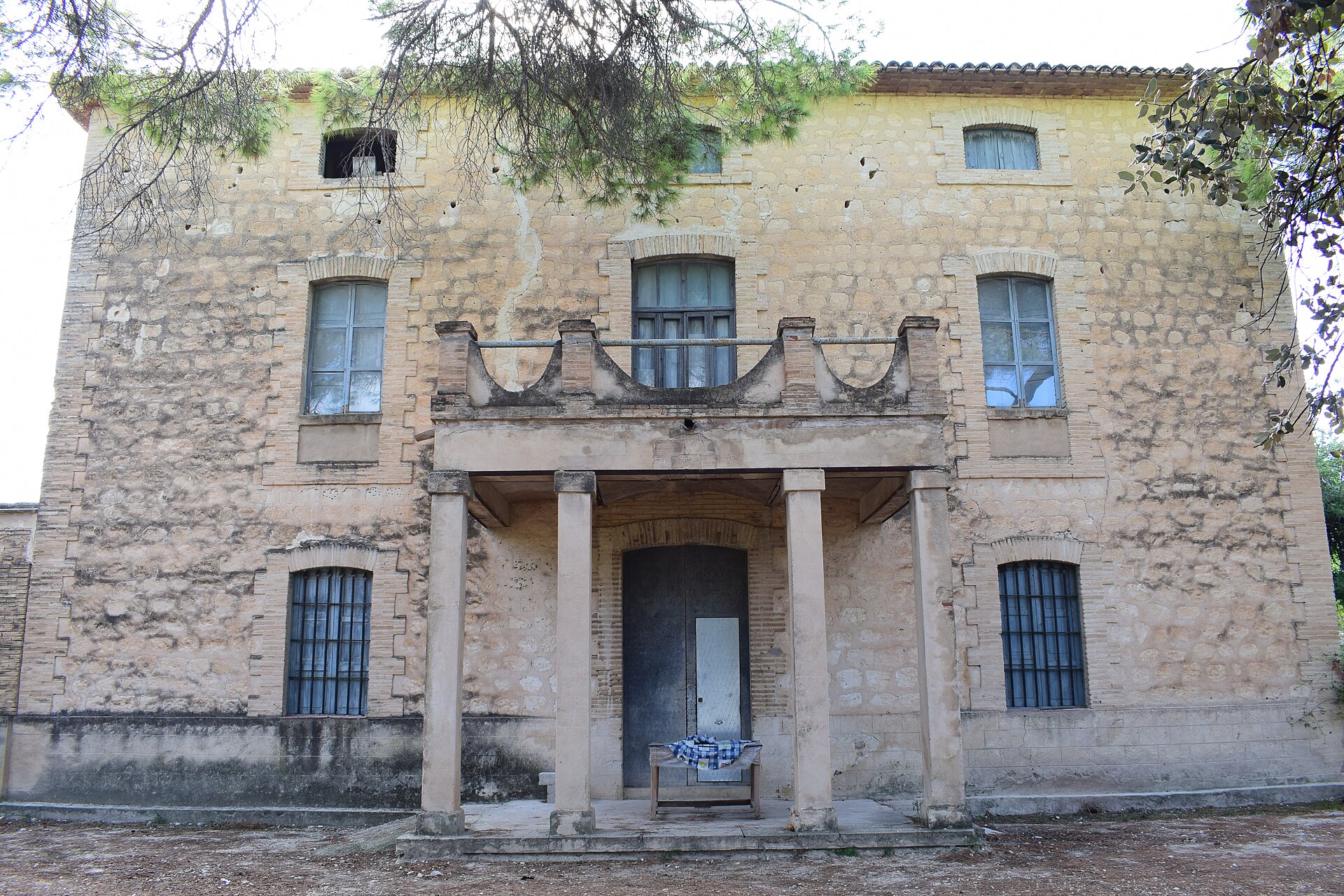
The problem did not announce itself. Somewhere between the 2019 currency controls, the pandemic-era budget cuts, and the Milei administration's sweeping reduction of public sector IT spending, the digital image archives held by at least three Buenos Aires municipal agencies became riddled with duplicates, corrupted files, and orphaned records, a slow-motion collapse that archivists and records managers had been flagging internally for years before it became impossible to ignore.
The trigger that brought the issue into the open was mundane: a routine audit of the Ministerio de Cultura de la Ciudad de Buenos Aires, completed in March 2026, found that roughly a third of the visual assets catalogued for the city's heritage buildings programme could not be verified as unique, accurate, or retrievable. Files had been ingested multiple times under different naming conventions, originals had been overwritten by lower-resolution copies, and entire folders from the 2015-2018 urban photography surveys of La Boca and San Telmo were found in triplicate with no authoritative version flagged.
A System Built on Patches and Good Intentions
The roots of the problem stretch back well before any single administration. Buenos Aires city government migrated its central document management system in 2011, moving away from a legacy platform toward what was then presented as a unified digital asset manager. The migration was never fully completed. Agencies including the Dirección General de Patrimonio e Instituto Histórico and the Secretaría de Desarrollo Urbano continued operating parallel local servers, uploading images independently and syncing, or failing to sync, with the central repository on irregular schedules.
By 2020, with remote work mandates forcing digitisation at speed, the volume of image uploads tripled within eighteen months according to a 2022 internal review that circulated among senior IT staff. Protocols for tagging, deduplication, and version control were skipped in the rush. The result was a repository that looked comprehensive on the surface, thousands of georeferenced photographs of heritage facades along Avenida de Mayo, renovation records for properties in Palermo Viejo, streetscape documentation from the pedestrianisation works on Calle Defensa, but was structurally unreliable beneath.
The Milei government's arrival in December 2023 accelerated the crisis in a specific way. The administration's public sector rationalisation agenda cut discretionary IT maintenance budgets across city-adjacent agencies. Contracts with the two private vendors responsible for scheduled deduplication sweeps, standard housekeeping that large repositories require quarterly, were not renewed in the 2024 budget round. From January 2024 onward, no systematic duplicate removal ran on the central archive. Eighteen months of accumulation followed.
What Replacement Actually Means, and Who Pays for It
Fixing a corrupted image archive is not a matter of deleting duplicates and moving on. Proper duplicate image replacement requires human review of contested files, reconstruction of provenance chains, and in many cases re-photography of source locations, a costly, labour-intensive process that the city's own technical units are not currently staffed to perform at scale.
For the heritage sector specifically, the stakes are concrete. The Instituto Histórico de la Ciudad de Buenos Aires, based on Avenida Córdoba, holds photographic records that underpin legal assessments of protected building status. If the authoritative image of a facade cannot be verified, because three versions exist with different timestamps and none can be confirmed as original, the evidentiary weight of that record in planning disputes is compromised. In a city where Palermo Soho land values have risen sharply through the gentrification cycle of the past decade, that ambiguity has real commercial and legal consequences.
Private conservation groups, including Basta de Demoler, which has tracked illegal demolitions of heritage-listed buildings since 2006, have begun building their own parallel photographic databases precisely because they no longer trust municipal records to be authoritative.
The city government has not announced a formal remediation programme. Agencies affected by the archive failure should, in the interim, treat any single-source municipal image record from before 2024 as unverified and seek corroborating documentation, whether from the Registro Nacional de las Personas, notarial records, or independent photographic sources, before relying on it in legal or planning contexts. The longer a systematic replacement programme is delayed, the more expensive and incomplete recovery will be.