news
Buenos Aires Housing Crisis Prices Out Middle Class Across Three Nations
From Palermo to Istanbul to Warsaw, mid-sized capitals are grappling with the same housing crisis, but Buenos Aires is doing it with a collapsing peso, an IMF programme, and almost no social housing budget left.
How we reported this
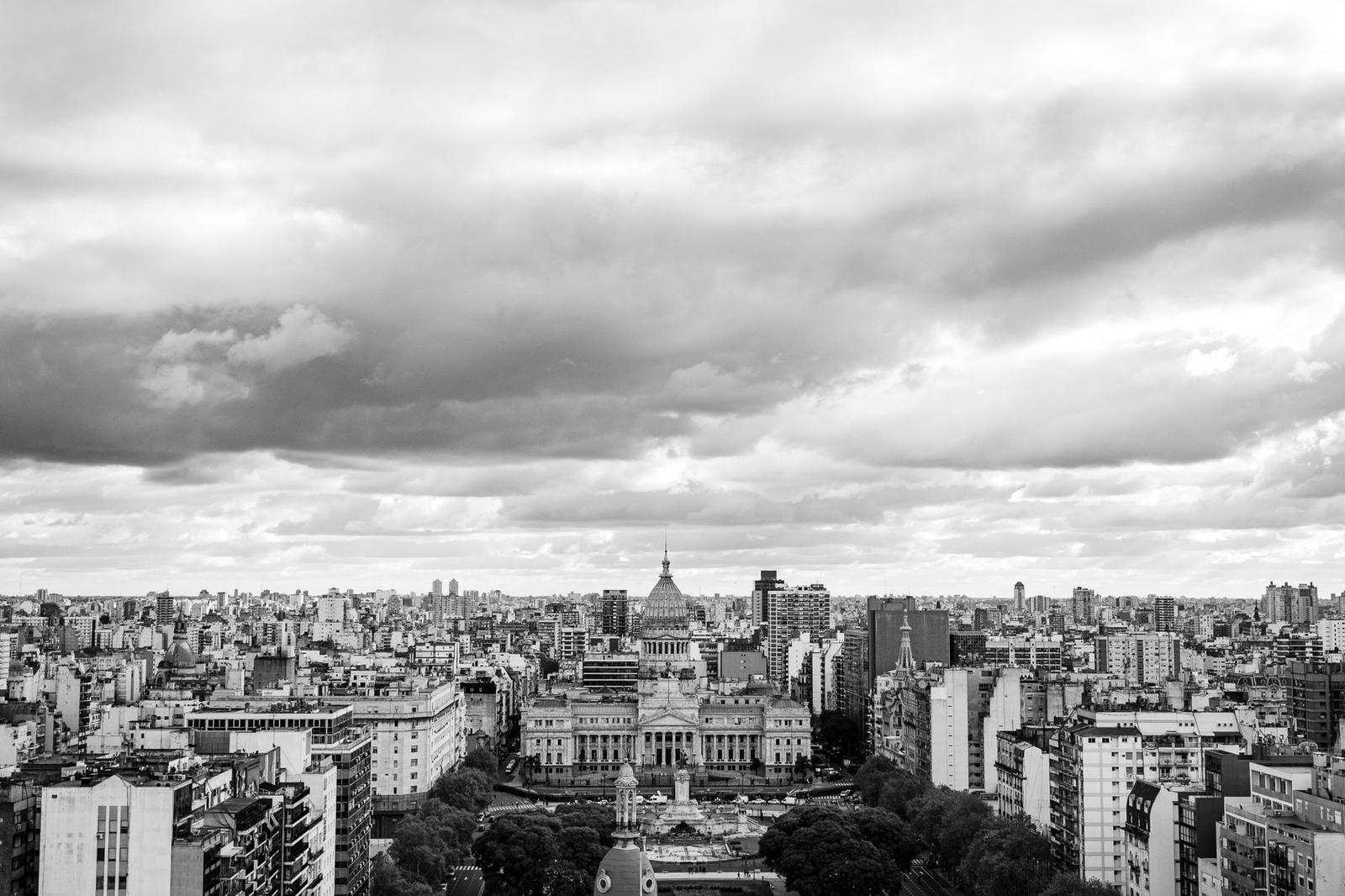
The median rent for a two-bedroom apartment in Palermo Soho crossed 900,000 pesos a month in June, according to figures compiled by the Colegio Único de Corredores Inmobiliarios de Buenos Aires (CUCICBA). That is roughly $700 at the current official exchange rate, a figure that would look reasonable in Warsaw or Istanbul, but lands like a wrecking ball in a city where the average formal salary sits around $450 a month. Buenos Aires has a housing affordability crisis, and the Milei administration's economic adjustment programme is making it structurally worse.
The timing matters. Argentina's IMF programme, renegotiated in early 2025 for a $20 billion extended facility, restricts public spending growth in real terms. The national Secretaría de Desarrollo Territorial, which historically channelled funds to municipal social housing schemes, has seen its operational budget cut by roughly 38 percent in real terms since December 2023, according to budget execution data published by the Oficina Nacional de Presupuesto. That gutting of federal housing transfers arrives precisely as rental prices, newly freed from the Ley de Alquileres that was repealed in late 2023, have risen between 180 and 220 percent in nominal terms over eighteen months.
What Comparable Cities Are Doing
Compare Buenos Aires to Bogotá or Mexico City, two Latin American capitals dealing with similar affordability pressure. Bogotá's district government allocated 1.2 trillion Colombian pesos, about $290 million, to its Mi Casa Ya social rental pilot programme in 2025, targeting families earning under three minimum wages. Mexico City's Infonavit reform, passed in March 2025, redirected a portion of employer housing contributions toward subsidised urban rentals in Cuauhtémoc and Iztapalapa boroughs. Neither city is solving its crisis. But both are treating housing supply as a public-policy lever rather than leaving it entirely to market correction.
Istanbul offers a starker lesson. After Turkey's 2023 earthquake and subsequent inflation spiral, the city's unregulated rental market saw a 400 percent nominal rise in two years. The result was documented mass displacement of lower-income residents from central Beyoğlu and Kadıköy, the Istanbul equivalents of San Telmo and Villa Crespo in Buenos Aires. Warsaw, under pressure from a million Ukrainian refugees since 2022, pushed a fast-track social housing construction programme through its city council in January 2025, committing to 4,200 new public units by 2027. Buenos Aires, by contrast, has no comparable municipal programme of that scale currently funded or authorised.
On the Ground in Buenos Aires
Walk along Avenida Corrientes between Callao and Pueyrredón on a weekday evening and the anecdotal evidence is hard to ignore: estate agent windows are crammed with listings at prices that have climbed since the repeal of rental controls, while hand-lettered signs in nearby cafés advertise rooms in shared flats aimed at professionals who can no longer afford solo tenancy. The Villa 31 urbanisation project in Retiro, a multi-year infrastructure programme that survived several administrations, has stalled on its Phase 3 component, the section covering 1,400 households, after national funding was not renewed for 2026.
The Instituto de Vivienda de la Ciudad (IVC), the Buenos Aires city government's housing authority, reported in its April 2026 bulletin that it had 11,400 families on its social housing waiting list, up from 8,700 in December 2023. The IVC completed just 340 new units in 2025. At that delivery rate, clearing the current list would take roughly 33 years. The city government's ProCreAr replacement scheme, rebranded under the Milei administration, has issued fewer than 600 mortgage credits nationwide since its relaunch in October 2024, a fraction of its predecessor programme's reach.
For renters in neighbourhoods like Boedo, Flores, and Almagro, historically affordable, the practical calculus is already shifting. Lease agreements are now increasingly denominated in dollars, a practice technically discouraged but widely used since rental deregulation. Families with peso incomes face a double squeeze: nominal wages that lag inflation and landlords who benchmark increases to the blue-dollar rate. Short of a dramatic reversal in federal housing investment, which the IMF programme conditions make unlikely before the 2027 midterm elections, the pressure will keep building. Tenants' advocacy groups including Inquilinos Agrupados have called for an emergency municipal ordinance capping dollar-denominated leases in residential properties, a proposal the Buenos Aires legislature has yet to schedule for debate.