lifestyle
Sustainable Living in Buenos Aires: What Has Changed Recently and Why Locals Love It Now
From revamped recycling programs to popular eco-markets, Buenos Aires residents are embracing greener habits with fresh enthusiasm.
How we reported this
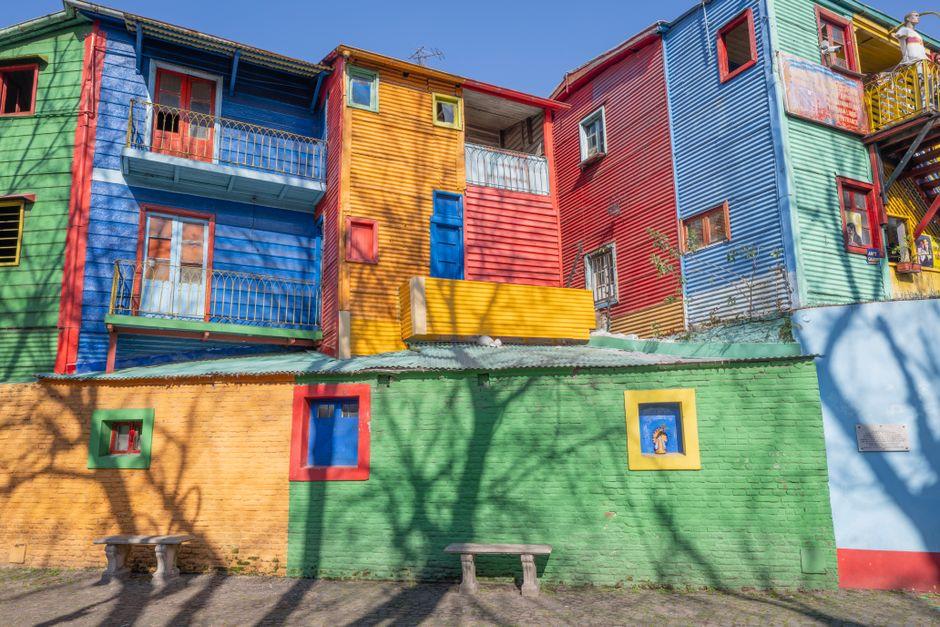
Buenos Aires has seen a noticeable shift in sustainable living habits this year, with more residents adopting green practices than ever before. The city's revamped Ecocanje recycling initiative, relaunched in March 2026, has played a key role in boosting participation, alongside the rising popularity of local eco-markets like Feria Verde Palermo and the recently opened Mercado Circular near San Telmo.
The growing embrace of sustainable living could not be timelier. With global climate reports underscoring the urgency of reducing carbon footprints, and Argentina facing periodic water shortages and high summer pollution levels, Buenos Aires residents are seeking practical ways to reduce waste and live more responsibly. The city's municipal government has also increased its investments in public composting and electric mobility infrastructure, aligning with national commitments made at last year’s COP27 summit.
Local Efforts Bring Sustainability Closer to Home
Two of Buenos Aires’ neighborhoods have emerged as hotspots for environmentally conscious activity. Feria Verde Palermo, situated in Plaza Serrano on Honduras Street, has expanded its range of organic produce vendors and zero-waste stands over the past six months, attracting more families and young professionals eager to shop sustainably. Meanwhile, Mercado Circular on Defensa Street, which opened its doors in April, offers workshops on waste reduction and runs a monthly swap market for second-hand goods.
Additionally, the city’s Ecocanje program, which offers residents recyclable materials in exchange for credits redeemable at local businesses, has extended its reach with new collection centers in barrios like Parque Patricios and La Boca. This updated model aims to make recycling more convenient, especially for those in lower-income neighborhoods where access was previously limited.
Data Highlights Uptake and Impact
Municipal statistics reveal the success of these recent initiatives. Since the relaunch of Ecocanje in March, the amount of recycled plastic and paper collected city-wide has increased by 40% compared with the same period last year. Moreover, prices for organic produce at Feria Verde Palermo have remained accessible, with staples like tomatoes and potatoes averaging 220 to 280 Argentine pesos per kilo, which residents say is reasonable considering the quality.
Feedback from community surveys conducted by the Buenos Aires Environmental Secretariat indicates that over 65% of respondents now regularly separate their waste at home, compared to just 48% in 2025. The rise in community composting points, now numbering 18 across the city, has also helped reduce organic waste sent to landfills by an estimated 12% since early 2026.
“Sustainability used to feel like an abstract ideal for many here,” said a spokesperson from the city’s Ministry of Environment. “Now it’s tangible-people actually see the benefits in their neighborhoods, prices, and lifestyle.”
For those looking to join the movement, practical steps include participating in local initiatives like Ecocanje, visiting eco-markets for sustainable shopping, and using new municipal apps that provide information on neighborhood recycling schedules and drop-off points. The city is also promoting electric scooter sharing programs and has expanded bike lanes, encouraging lower-emission transport options.
As Buenos Aires continues to integrate sustainability into daily life, residents can expect ongoing government support and increased community engagement. The momentum built in the first half of 2026 suggests that living green is becoming not only desirable but also attainable throughout the city’s diverse neighborhoods.