lifestyle
Palermo's Underground Scene Transforms Buenos Aires Neighborhood For Locals
As the neighborhood pivots away from tourist-heavy mainstays, a new wave of localized, clandestine spots is reshaping the heart of Buenos Aires.
How we reported this
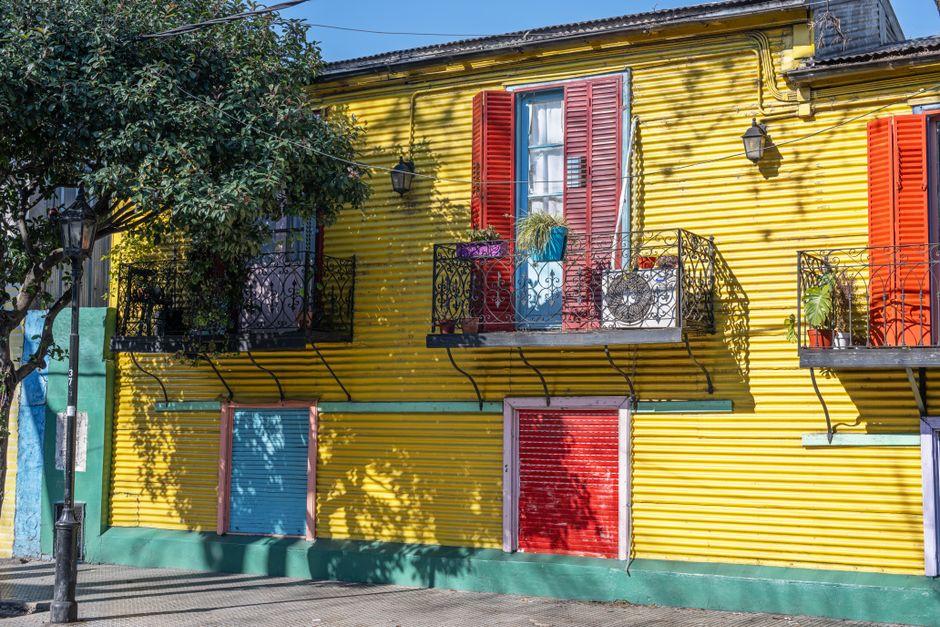
Palermo is shedding its skin. While visitors still flock to the well-trodden corridors of Plaza Serrano, the real energy has migrated to the quieter, residential pockets of Palermo Hollywood and the northern edge of Villa Crespo. The shift is unmistakable: the flashy, neon-lit tourist traps are losing ground to intimate, reservation-only concepts and specialized neighborhood haunts that prioritize community over foot traffic.
The shift toward neighborhood intimacy
This isn't just about gentrification; it is a fundamental pivot in how Porteños are choosing to spend their pesos in 2026. The economic climate, marked by a stabilization of the peso following the Q1 fiscal reforms, has pushed local restaurateurs to stop chasing the fleeting international tourist dollar and start building loyal, year-round clienteles. Venues like 'La Fuerza' on Dorrego have set the blueprint, proving that a focus on high-quality vermouth and local produce can anchor a neighborhood’s social life better than any imported concept.
You can see the change on Calle El Salvador, where boutique coffee roasters have begun to shutter in favor of late-night ‘puerta cerrada’ spots-private dining rooms that require a WhatsApp invitation to enter. The 'Cochinchina' bar, for instance, remains a staple, but it has been joined by a dozen smaller, unmarked cocktail dens that operate on a first-come, first-served basis. This exclusivity has become a local currency, favored by residents who are tired of fighting crowds near the outlets on Gurruchaga.
The cost of the new vibe
Data from the Buenos Aires Chamber of Commerce indicates a 22% increase in independent dining licenses within the Palermo sector compared to the same period last year. Prices have adjusted accordingly. A standard dinner for two at a high-end bistro in the district now averages 45,000 pesos, though patrons are increasingly willing to pay the premium for locally sourced organic beef and Mendoza-grown biodynamic wines. Meanwhile, the city government’s 'Palermo Sostenible' initiative has successfully turned three blocks of Calle Thames into pedestrian-only zones, further discouraging the bus tour operators that previously clogged the area’s narrow arteries.
For those looking to experience this evolution, the advice is simple: walk away from the main plazas. Head toward the intersections of Bonpland and Gorriti, where the noise of the main drags fades into the clatter of cutlery from sidewalk tables. If you want a seat at the city’s best new spots, stop checking TripAdvisor. Instead, follow the local neighborhood groups on Telegram or Instagram, as that is where the real reservations now happen. The best of Palermo in July 2026 isn't found on a map; it's found by knowing who is opening their doors behind the unmarked wooden frames on Ravignani Street.