culture
Buenos Aires' Layered History Shaped Tango, Arts, Iconic Dialect
A look at how the Argentine capital's layered history, born from two foundings and waves of immigration, shaped the city's iconic arts, tango and dialect.
How we reported this
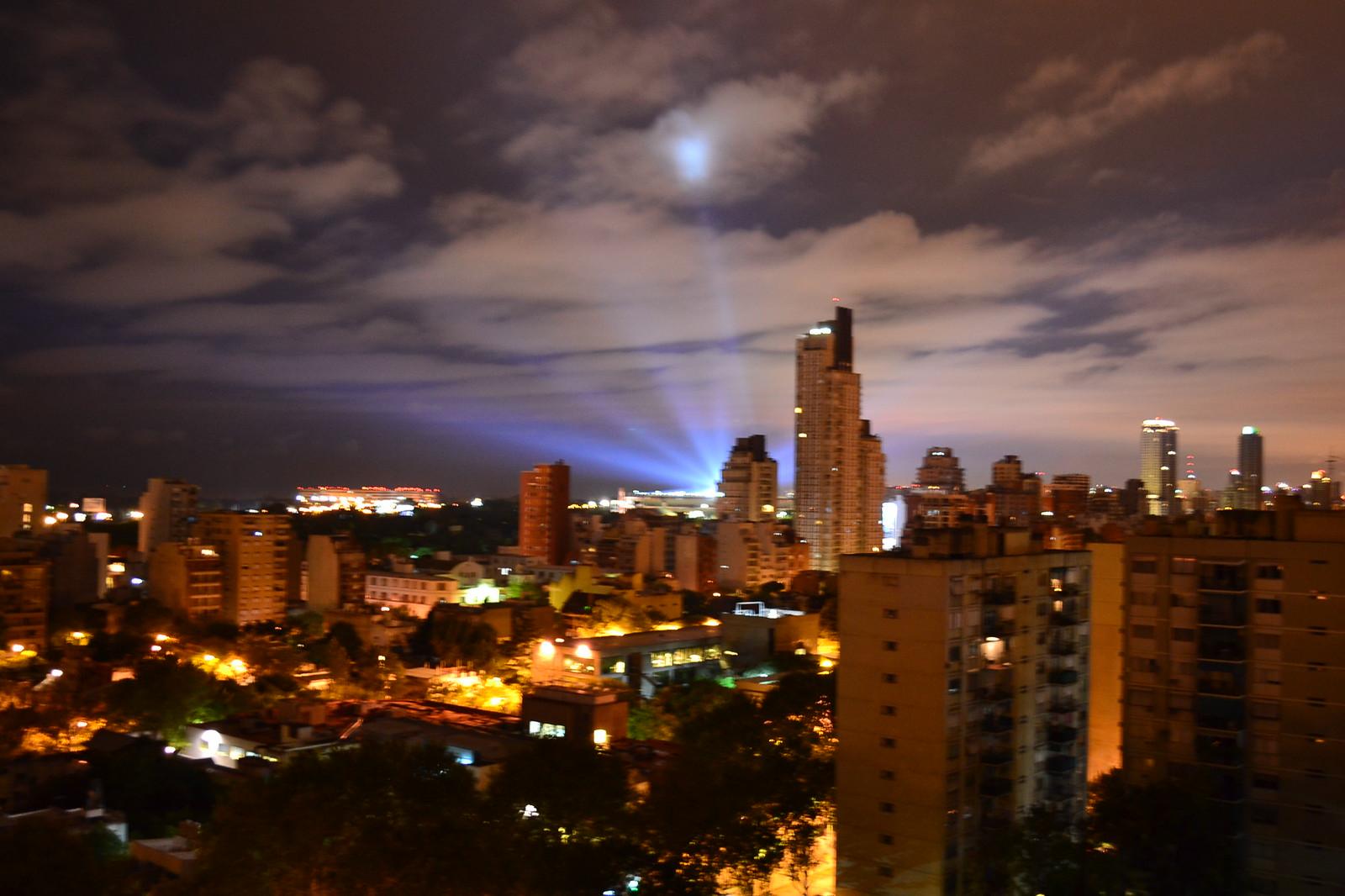
Buenos Aires wears its history on its sleeve, and for those who explore its streets, the city's creative and cultural identity is inseparable from the events that shaped it. From its contested beginnings to its evolution as a capital, the city's story is written in its landmarks, its music, and even its slang.
Two Foundings, One Spirit
Buenos Aires was established twice. Spanish conquistador Pedro de Mendoza first founded the settlement in 1536 as Ciudad de Nuestra Señora Santa María del Buen Ayre. That effort failed by 1541. The permanent city, originally called Santísima Trinidad, was established in 1580 by Juan de Garay, according to historical accounts [1][5][11][12]. That second founding laid the groundwork for what would become one of South America's most culturally rich metropolises.
The Squares That Shaped a Nation
Plaza de Mayo, the city's oldest square established in 1580, stands as the physical and symbolic heart of Argentine independence. It was here that the May Revolution of 1810 set the nation on its path to freedom from Spanish rule. The square also contains the Pirámide de Mayo, the first monument built in the city [2][3]. Just a short walk away, Plaza Dorrego, the second-oldest square in Buenos Aires and a National Historic Monument, was where Porteños formally declared independence from Spain in 1816 [2]. These public spaces remain gathering points for locals and visitors alike, a testament to the city's role as a crucible of national identity.
Where Tango and Lunfardo Were Born
The city's creative soul is perhaps most visible in La Boca, the oldest neighborhood and a southern port. Approximately 6 million immigrants entered Buenos Aires through La Boca, creating a dense mixture of cultural influences. This melting pot gave rise to tango, a musical and dance form that has become synonymous with Argentine identity, and shaped the local dialect known as Lunfardo, a vibrant slang infused with immigrant languages [4][7].
In 1880, 300 years after its permanent founding, Buenos Aires became the official capital of Argentina. This status triggered explosive growth, driven by European immigration and the booming trade in cattle and grain [7]. The population surge and economic dynamism accelerated the cultural fusion that defined the city.
For anyone seeking to understand Buenos Aires, the evidence of its layered past is everywhere. From the colonial-era squares that anchored its independence to the immigrant-packed docks that gave tango its rhythm, the city's creative identity is not an abstract concept, it is a lived reality, visible in its neighborhoods and audible in its music.