culture
Buenos Aires' Food Culture Fuels Its Creative and Cultural Identity
From traditional parrillas to contemporary culinary arts, the city’s food culture is central to its evolving urban identity.
How we reported this
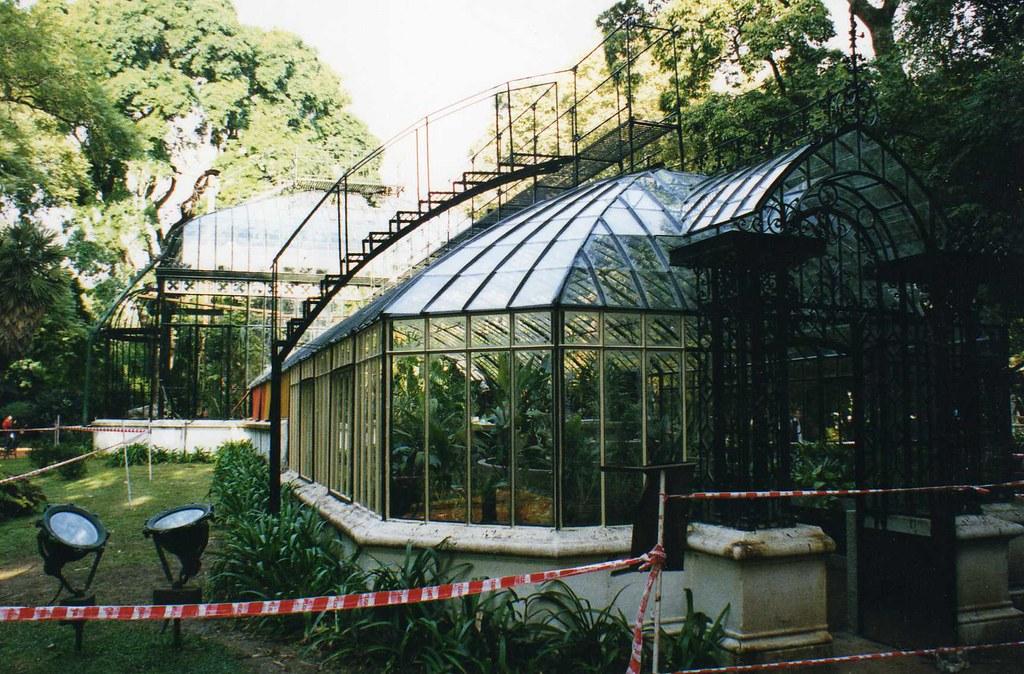
Buenos Aires’ rich food culture is no longer just a backdrop to daily life-it’s becoming a defining force in the city's creative and cultural identity. Through longstanding traditions and innovative culinary practices, the flavors of the city are driving a cultural renaissance that touches residents, artists, and tourists alike.
In 2026, the convergence of culinary heritage and modern experimentation is especially pronounced. The city’s food scene is attracting new investments, supporting local artisans, and sparking fresh collaborations between chefs, designers, and cultural institutions. This surge comes amid a global trend where gastronomy is increasingly recognized as an integral part of cultural expression and urban storytelling.
The Heartbeat of Buenos Aires: Where Tradition Meets Innovation
The San Telmo neighborhood remains a cornerstone of Buenos Aires’ food identity, with the Mercado de San Telmo continuing to showcase Argentine staples like chimichurri, provoleta, and empanadas alongside emerging artisanal products. This market, established in 1897, is both a preservation hub and incubator for food innovation, hosting monthly food fairs that draw thousands of locals and visitors. Meanwhile, Palermo’s restaurant scene is fast evolving beyond its established reputation for conventional parrillas. New establishments such as “La Cúpula de Movimiento,” which opened last year on Armenia Street, blend indigenous Argentine ingredients with avant-garde cooking techniques, reflecting a push towards culinary storytelling as a form of cultural expression.
At the institutional level, the Fundación Proa’s recent partnership with local chefs and food historians has led to the launch of the Buenos Aires Culinary Heritage Project, a program dedicated to documenting and promoting the city’s diverse food traditions through workshops, exhibitions, and pop-up dining experiences at the Fundación’s spaces in La Boca. These efforts highlight not just the food itself but its role in shaping social and creative networks across the city.
Numbers that Speak: Economic and Cultural Impacts
The economic footprint of Buenos Aires’ food culture is growing. According to figures released by the city’s Ministry of Culture and Tourism in May 2026, gastronomy-related cultural activities contributed over ARS 3.2 billion (approximately USD 16 million) to the local economy in the first quarter alone, a 15% increase compared to the same period in 2025. Additionally, employment in food-related creative sectors rose by 8.7% year-on-year, with more than 12,000 people now working in roles combining culinary skills with cultural programming or food tourism.
On average, dining out in culturally-focused venues such as Mercado de San Telmo or Palermo’s trendier restaurants ranges between ARS 1,200 and ARS 2,500 per person, an accessible price point that attracts both residents and international visitors interested in authentic, creative culinary experiences. This mix fuels new business models that blend traditional Argentine cooking with sustainable sourcing and artistic presentation, further defining Buenos Aires’ urban character and appeal.
Looking ahead, the city's upcoming Food and Arts Festival scheduled for October at the Usina del Arte will spotlight the intersections of cuisine, music, and visual arts. Organizers hope it will cement gastronomy’s role as a key component of Buenos Aires’ cultural economy. For locals and visitors wanting to dive into this evolving food culture, exploring culinary walking tours in San Telmo and Palermo or attending Fundación Proa’s workshops offers a meaningful way to experience the city’s creative pulse firsthand.
As Buenos Aires continues to embrace its culinary heritage while nurturing innovative expressions, food culture will remain a powerful symbol and engine of the city’s identity-shaping not only what and how its people eat, but also how they connect and create.