culture
Emerging Buenos Aires Playwrights Transform City's Theater Scene
From San Telmo stages to independent spaces, a new generation of performers and playwrights reshapes the city’s vibrant theatrical scene.
How we reported this
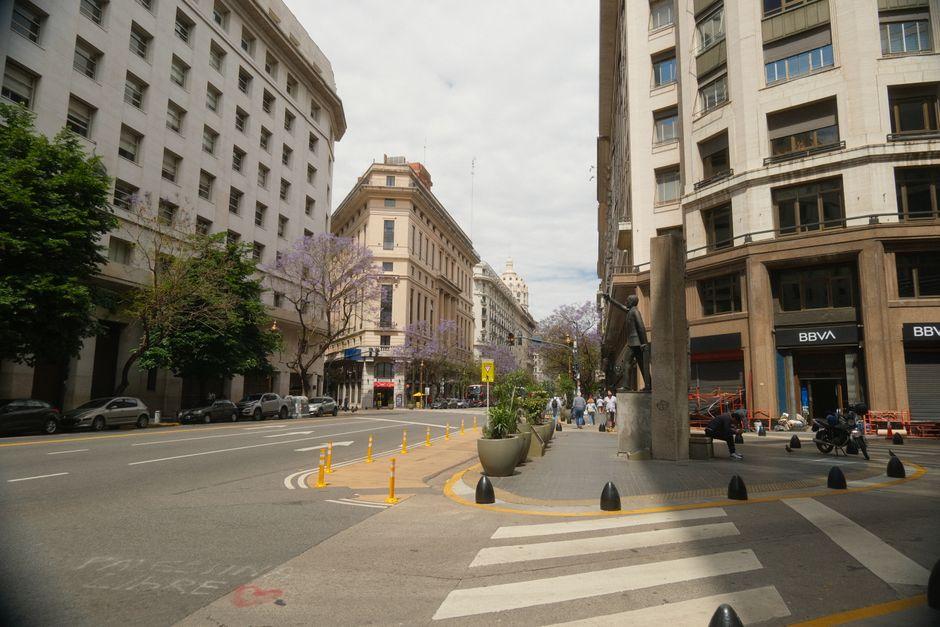
Buenos Aires is witnessing a surge of emerging voices in theater, with fresh talent taking center stage across the city’s renowned venues and alternative spaces. These new performers, playwrights, and directors are redefining how stories are told in Argentina’s capital, and critics and audiences alike are paying close attention to this next wave.
After a period marked by pandemic closures and economic challenges, the city’s theater community is re-energizing with a unique blend of traditional and experimental approaches. This moment matters because it coincides with the reopening of major cultural hubs and increased government support for the arts-both of which have catalyzed opportunities for younger artists to gain visibility and influence.
Spotlight on San Telmo and Villa Crespo
The historic neighborhood of San Telmo remains a crucible for Buenos Aires’ theatrical innovation. At Teatro Regina, located on the corner of Defensa and Salta streets, plays combining indigenous narratives with contemporary themes have gained acclaim. Nearby, the independent space Espacio Callejón in Villa Crespo supports emerging playwrights through residencies and workshops, fostering experimental work that often confronts social and political issues.
Another essential institution fueling this creative upsurge is the Centro Cultural General San Martín on Sarmiento Avenue. Its annual "Punto de Encuentro" festival, held every October, showcases young talent and often serves as a springboard for artists launching their professional careers. This year’s edition features more than 20 new productions, reflecting a 30% increase compared to five years ago, a clear indication of growing participation.
Data Highlights a Growing Ecosystem
Recent figures from the Buenos Aires Ministry of Culture reveal a 25% rise in theater productions by artists under 35 from 2023 to 2026. Ticket prices remain accessible, with many shows in emerging circuits priced between 800 and 1,200 Argentine pesos, making it easier for younger audiences to engage with live performance. This trend coincides with an increase in government grants: in 2025, nearly 15 million pesos were distributed to support theater projects by first-time directors and playwrights.
One new playwright to watch is Abril Díaz, whose hybrid work blending poetry and monologue opened last month at Sala Batata on Paseo Colón. Her play explores urban life and identity through a fresh, lyrical lens, indicative of the sensibilities found among many in this next generation.
Looking ahead, the city’s theater sector plans several initiatives to maintain momentum. Teatro Nacional Cervantes, set to reopen a newly renovated Black Box theater in early 2027, aims to dedicate a portion of its programming to premieres from emerging Buenos Aires artists. Additionally, industry networking events held quarterly at Biblioteca Nacional provide essential platforms for these new voices to connect with producers, critics, and promoters.
The takeaway for theatergoers and culture professionals alike is clear: Buenos Aires is cultivating a diverse and dynamic theatrical future. To catch the newest voices firsthand, visiting venues like Teatro Regina or checking the Centro Cultural General San Martín’s program is recommended. As this next wave takes hold, audiences can expect more challenging, intimate, and innovative theater experiences reflecting the city’s evolving identity.